
Qualifications Griffith University, Gold Coast, Australia
School of Environmental and Applied Sciences
University of Virginia
School of Engineering and Applied Sciences
Amphibian populations have been declining worldwide at unprecedented rates, and nearly one-third of the world's 6,350 amphibian species are threatened with extinction. At least 150 species have completely disappeared since 1979.
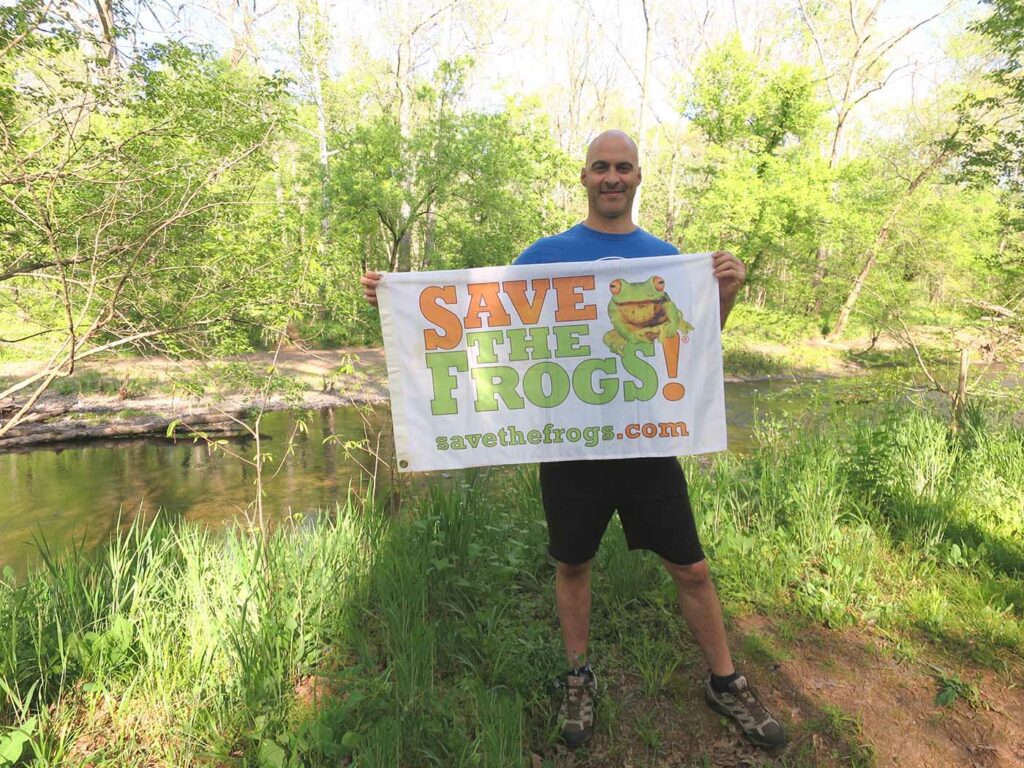
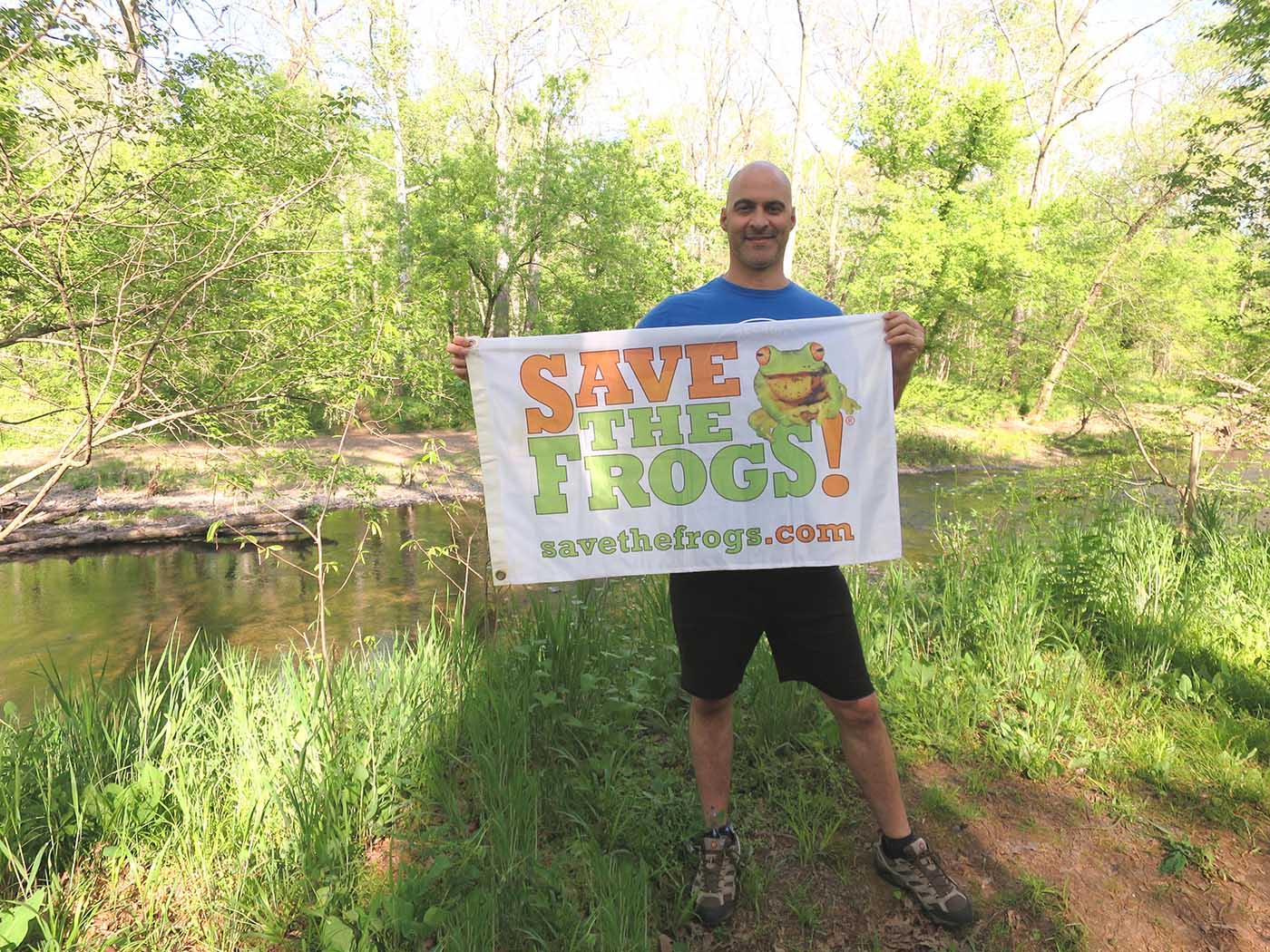
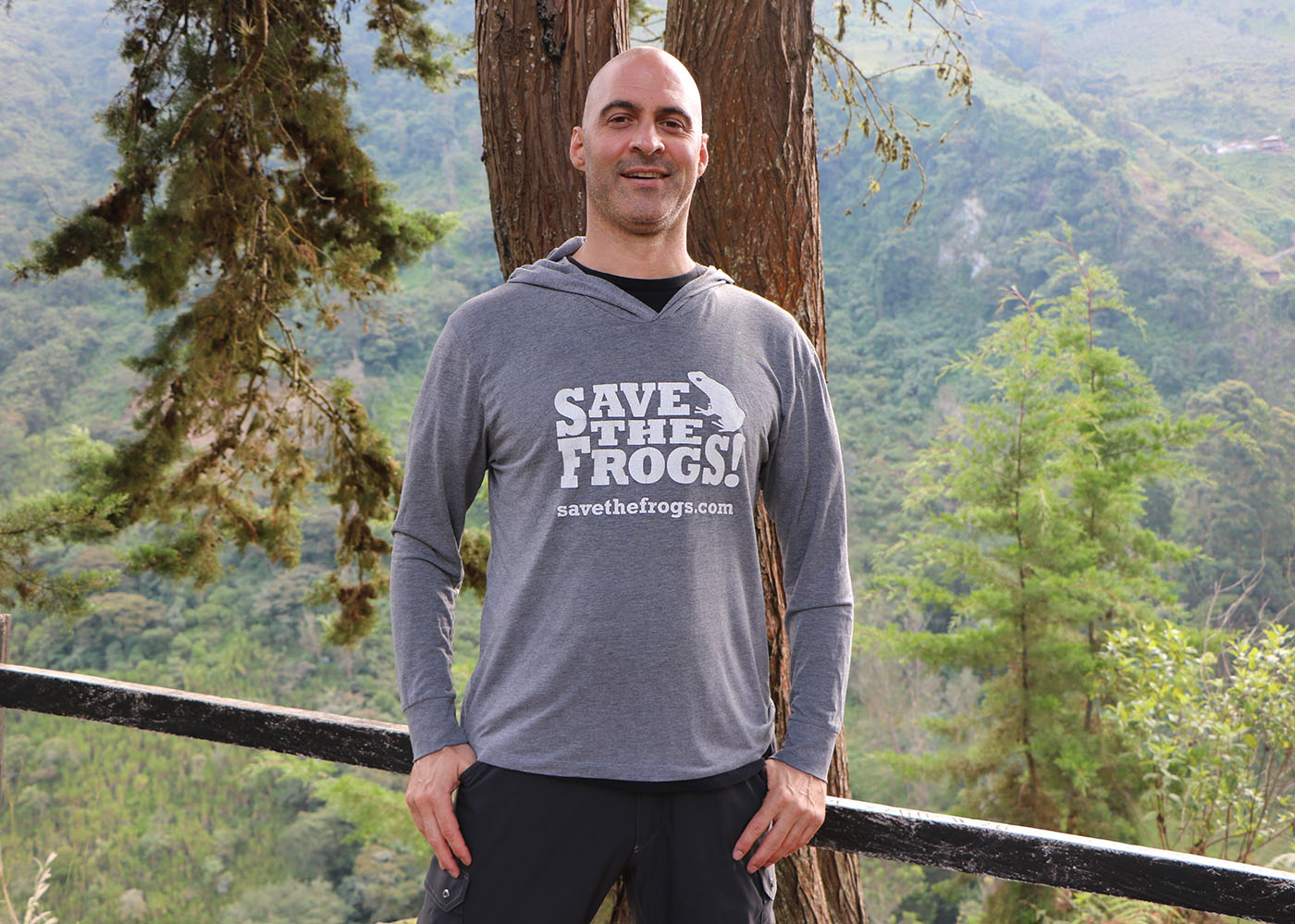
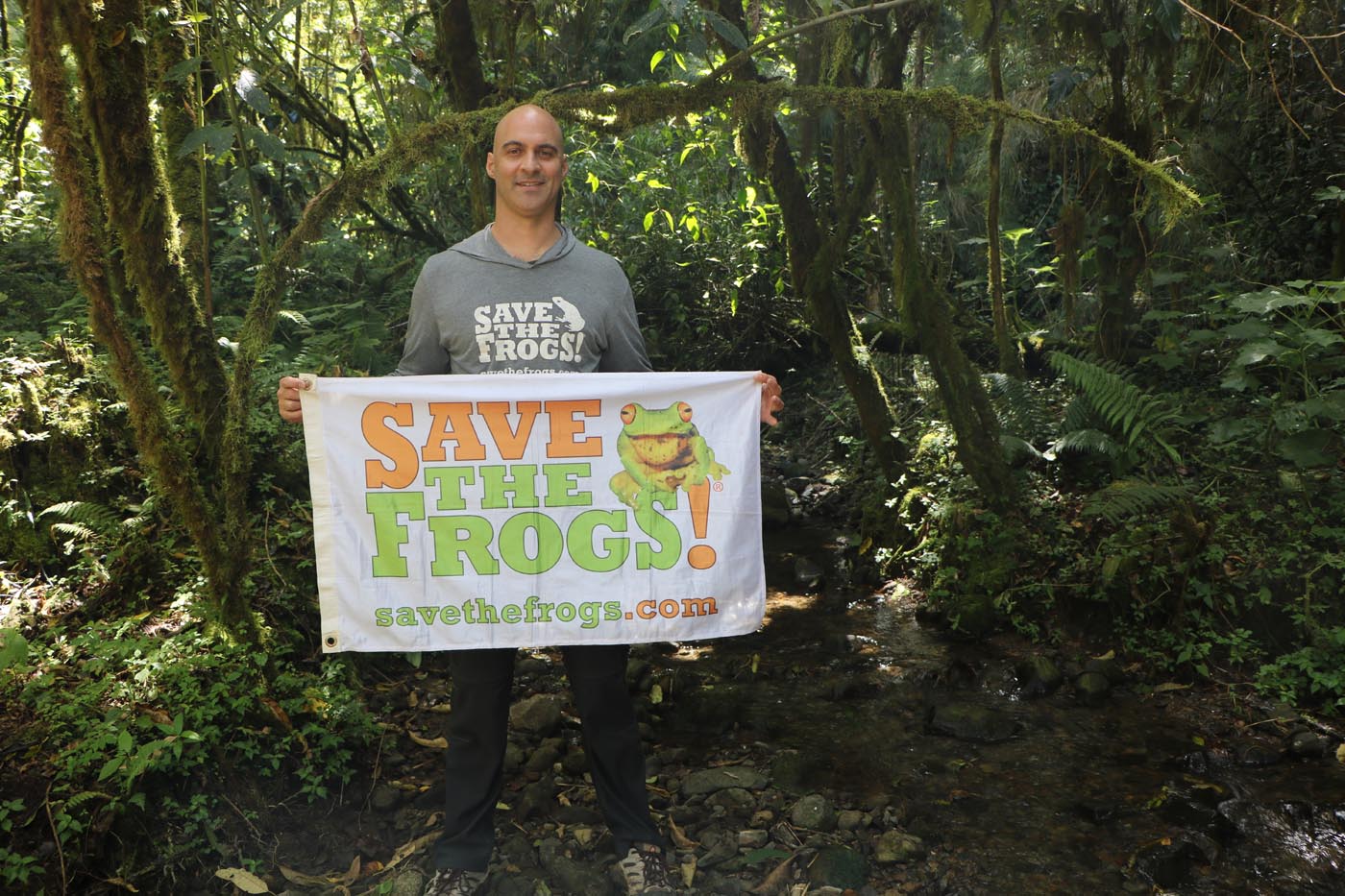
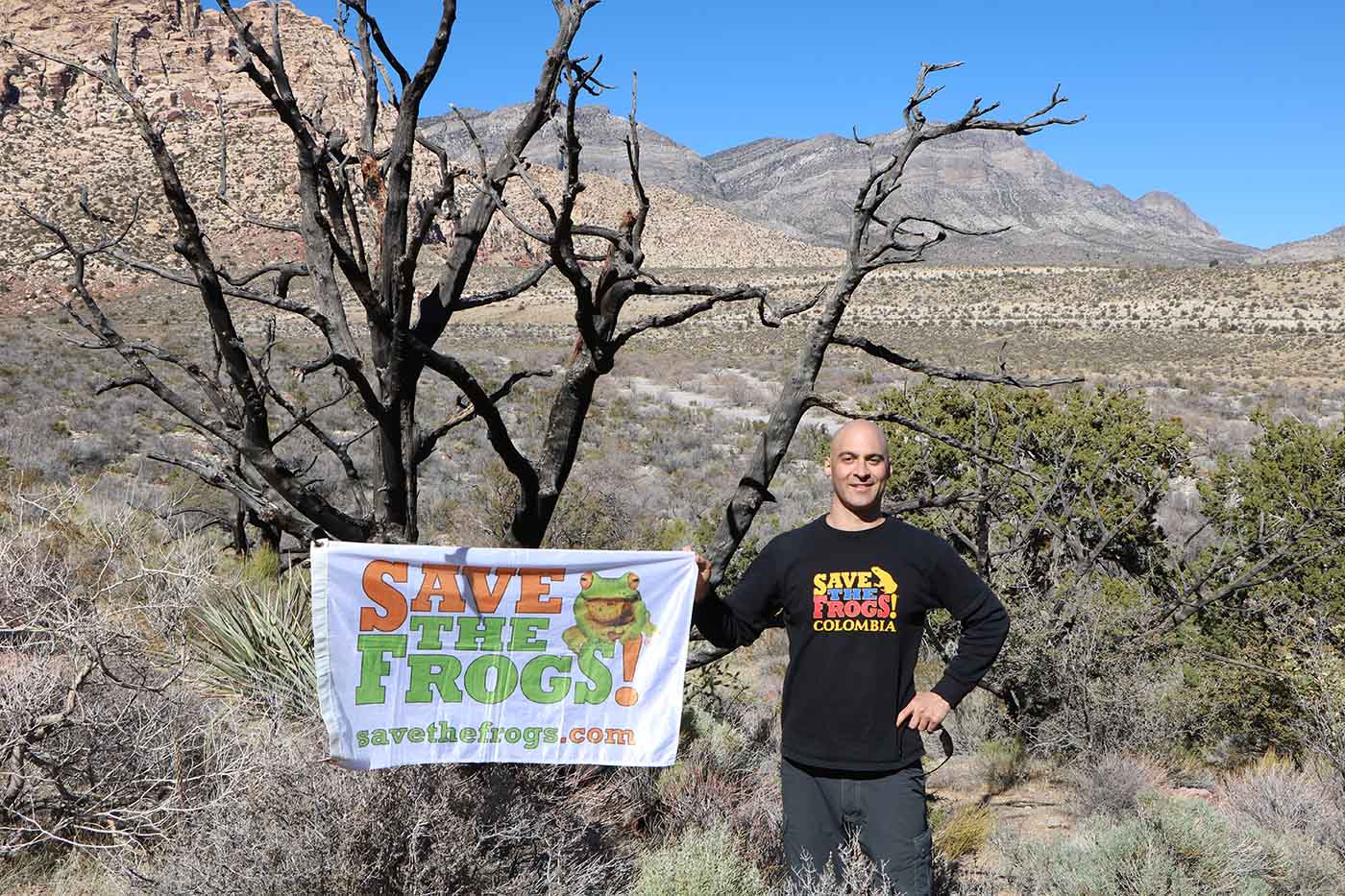
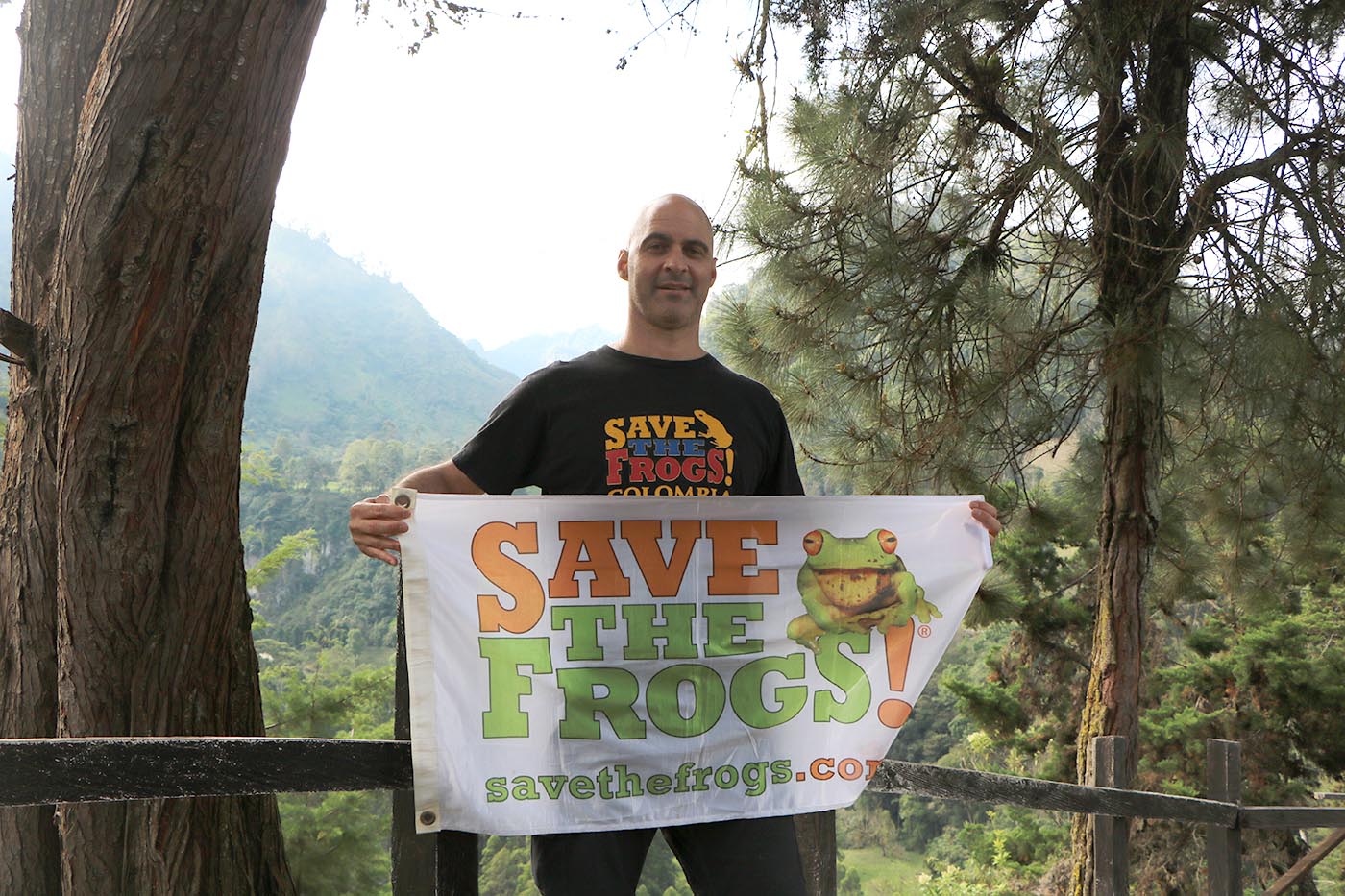
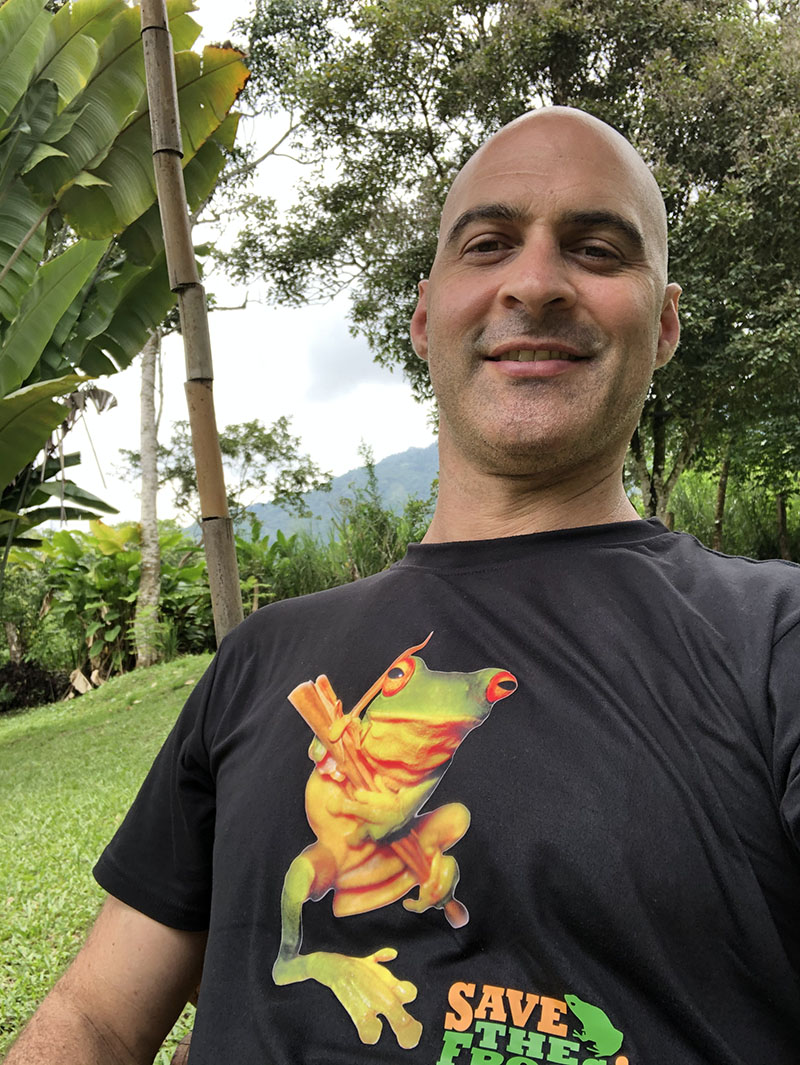
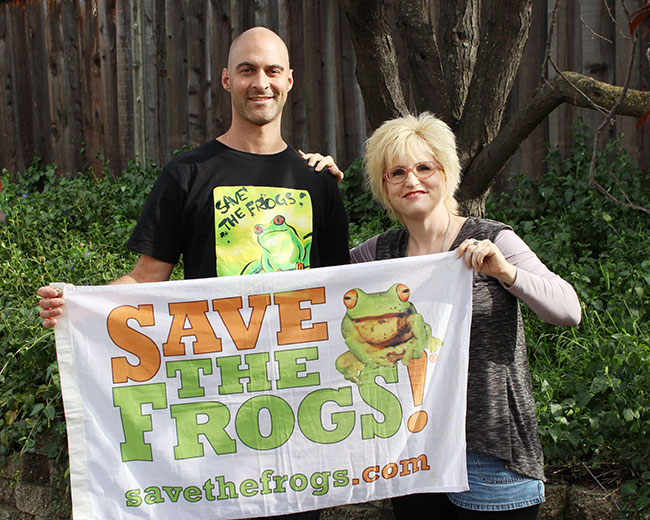
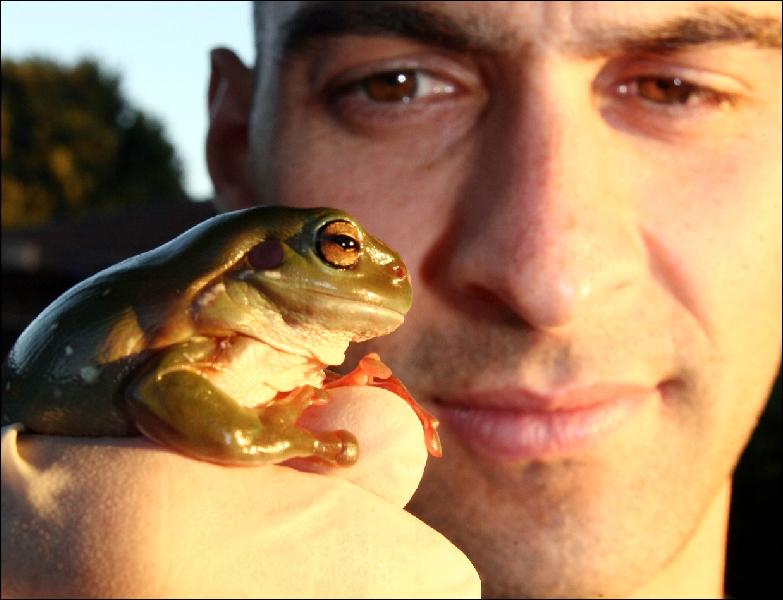
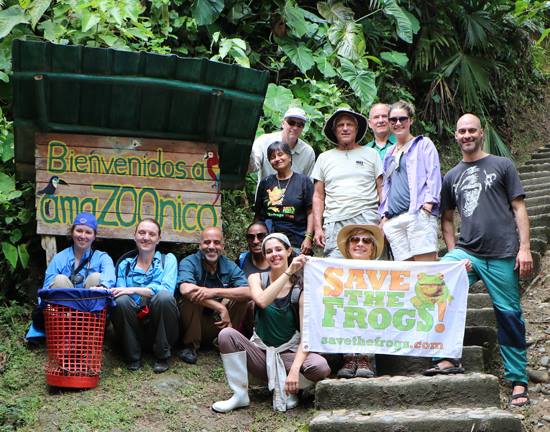
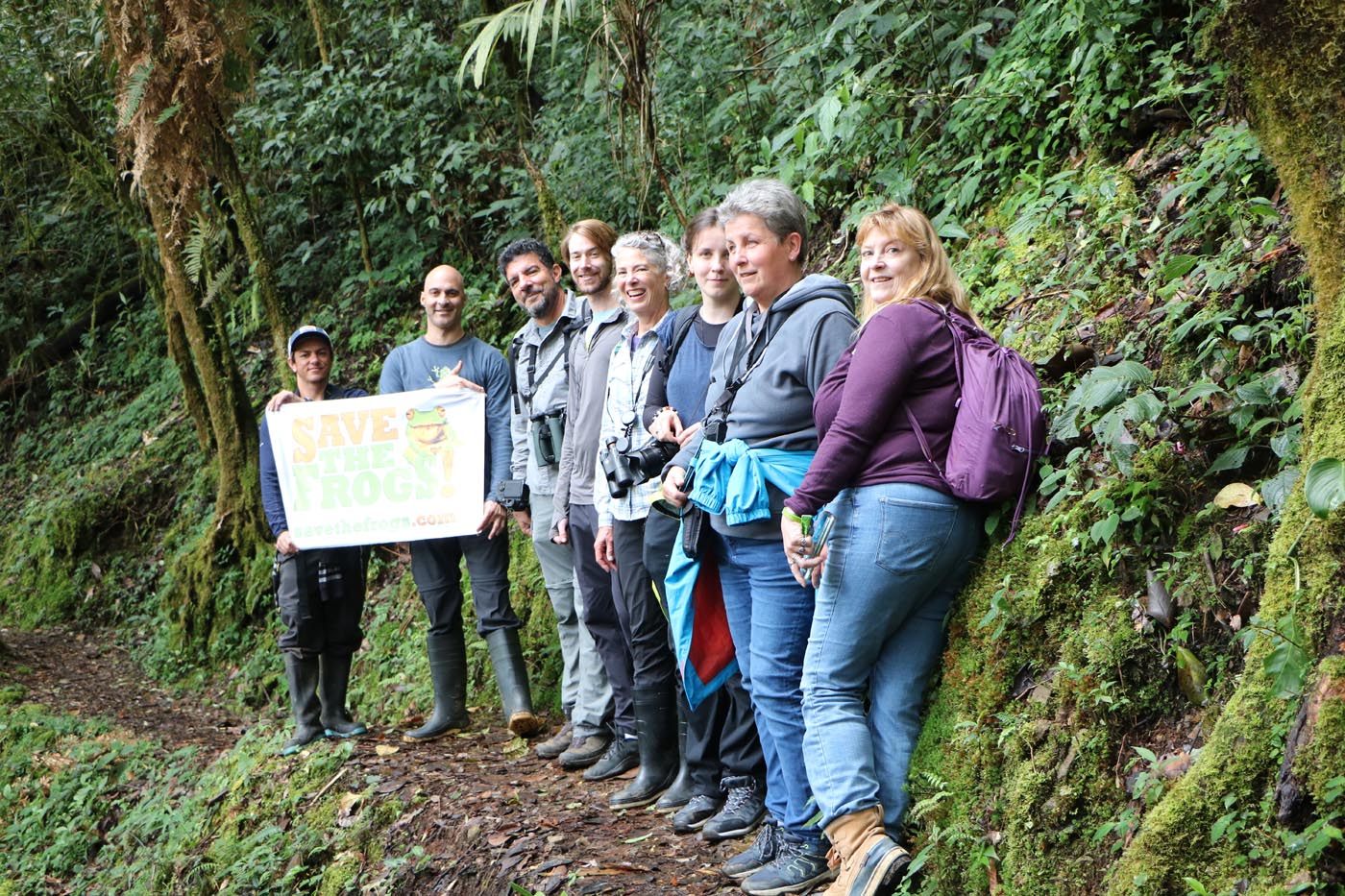
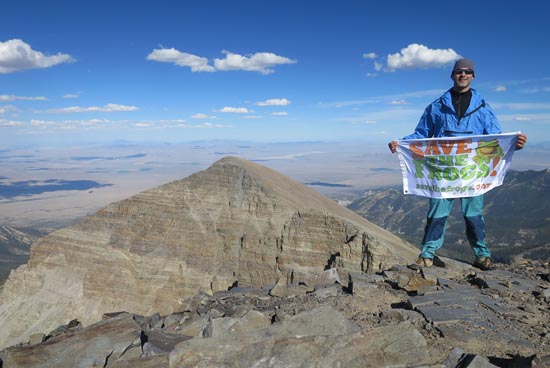
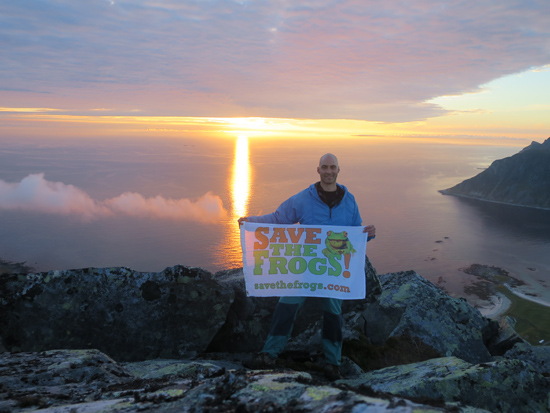
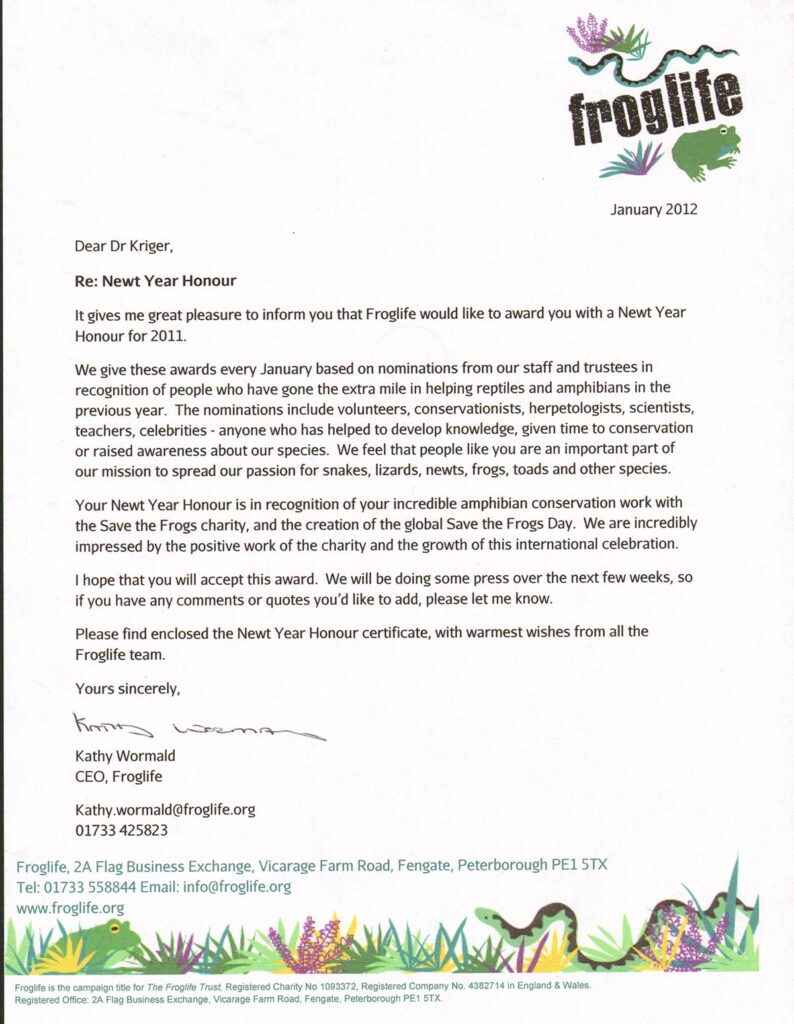
I founded SAVE THE FROGS! in May 2008 and plan to build the organization into one of the world's most effective nonprofits. Our ultimate goal is to create a full-scale environmental revolution that alters societies and cultures so that humans respect, enjoy and protect nature, wildlife and natural places. You can read The Story of SAVE THE FROGS! here.
I am a conservation biologist, and thus the goal of my research is to prevent the extinction of wildlife populations and to ensure that the Earth has healthy ecosystems. Most of my research to date has focused on chytridiomycosis, an emerging infectious disease responsible for mass mortalities, population declines and extinctions of amphibian species on five continents. At least 285 amphibian species worldwide are affected by the disease. In terms of biodiversity loss, chytridiomycosis is the worst disease ever recorded for any group of organisms. Chytridiomycosis is one of a host of emerging infectious diseases that have been rapidly spread throughout the world in recent decades by unintended anthropogenic activities. There currently exists no suitable methods for eradicating the disease from wild populations.
I investigated the degree to which Australian frog populations living at various altitudes and latitudes (and therefore various temperatures) are affected by the disease. Batrachochytrium dendrobatidis, the fungus that causes chytridiomycosis, has been shown in laboratory experiments to reach its highest pathogenicity at low temperatures, and thus I hypothesized that infection prevalence would be greatest in frogs living at higher altitudes, and at the cooler latitudes further from the equator. Furthermore, as the chytrid fungus cannot survive desiccation, I expected infections to be more prevalent in wetter regions. Although I found that the prevalence and severity of chytrid infections do indeed increase in cool, wet regions, I found no relationship whatsoever between altitude and chytrid levels: the chytrid fungus is widespread at all altitudes in southeast Queensland. This suggests that subtropical frogs are at high risk of disease-related decline.
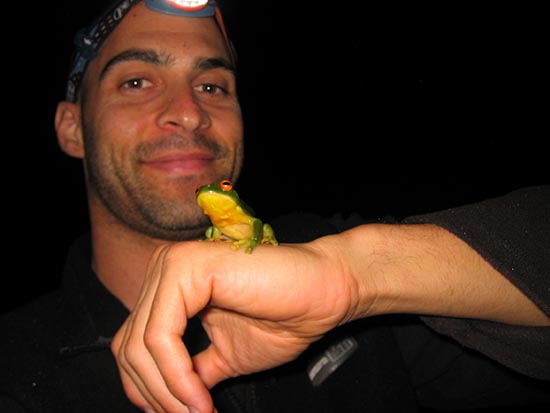
Other work of mine has included quantifying the effect of chytridiomycosis on the survivorship of Stony Creek Treefrogs Litoria wilcoxii in a highly infected population in Southeast Queensland; documenting the seasonal nature of the disease; and confirming the hypothesis that amphibian species with more aquatic life histories are more prone to chytrid infections. I also investigated means by which methods of diagnosing the disease can be made more accurate and cost efficient.
This information has enabled conservation managers in eastern Australia to evaluate the threat of chytridiomycosis to species in the region. It also assists scientists worldwide by allowing them to predict which species and populations are at highest risk of chytridiomycosis-related declines, and to focus monitoring and conservation efforts accordingly. In a broader context, this research provides much needed information on the ecology of emerging infectious diseases, thus strengthening our ability to manage threats to public health.
Prior to becoming involved in amphibian conservation, I conducted research on endangered Hawaiian birds, helped release captive-bred peregrine falcons into the wild in California, examined the biophysical properties of amino acids involved in cystic fibrosis, and evaluated the effectiveness of the cathodic protection along the buried sections of the Trans-Alaska Pipeline, to ensure that there was no corrosion.
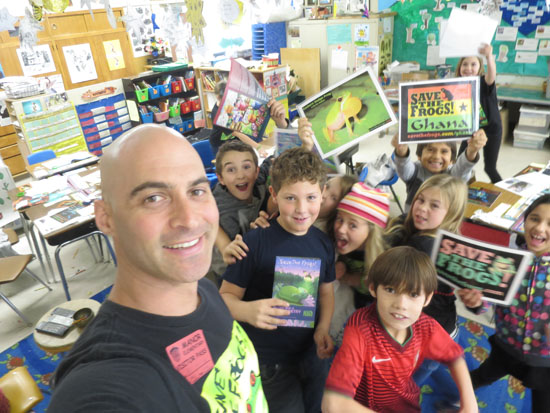
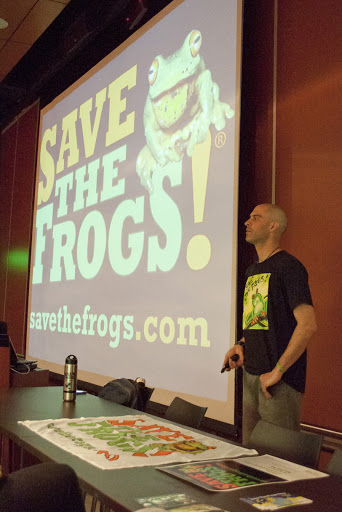
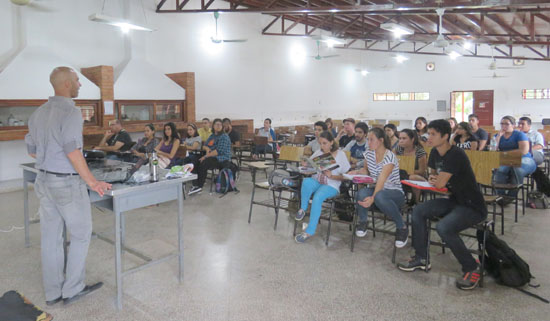
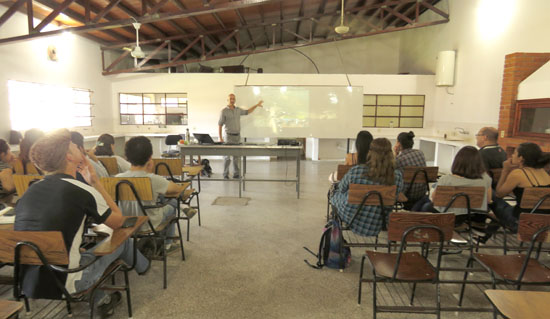
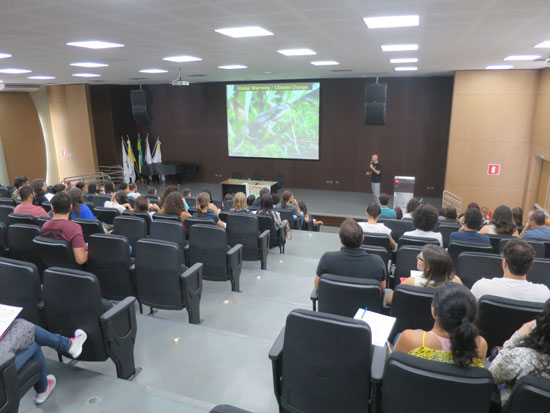
I regularly give free public lectures on the amphibian extinction crisis. You can view my talk schedule here.
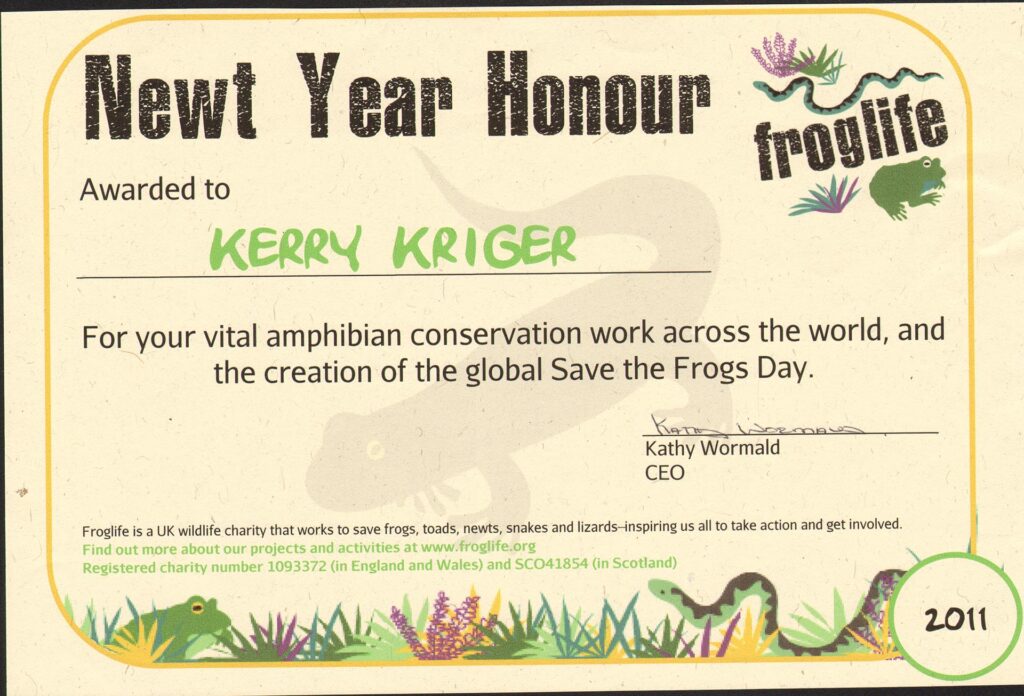
I conceived and coordinate Save The Frogs Day, an international event legally recognized in the State of Virginia by Governor Tim Kaine, and in the City of Vancouver, BC by Mayor Gregor Robertson.
I have taught Applied Mathematics, Molecular Biology, Chemistry, Ecology, Vertebrate Biology, Spanish, SAT Preparation and Music, as well as fire twirling and the art of opening coconuts with one's bare hands.
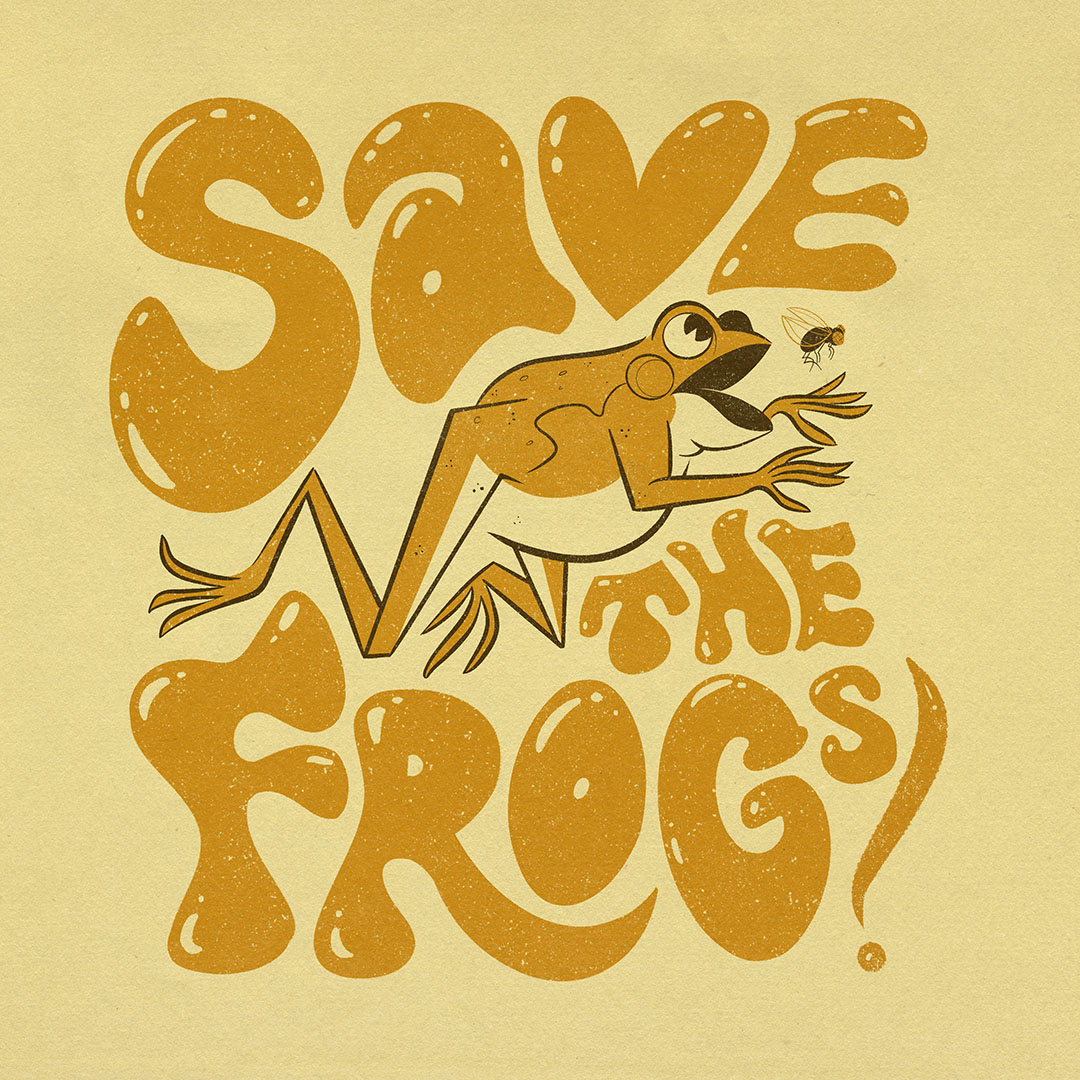
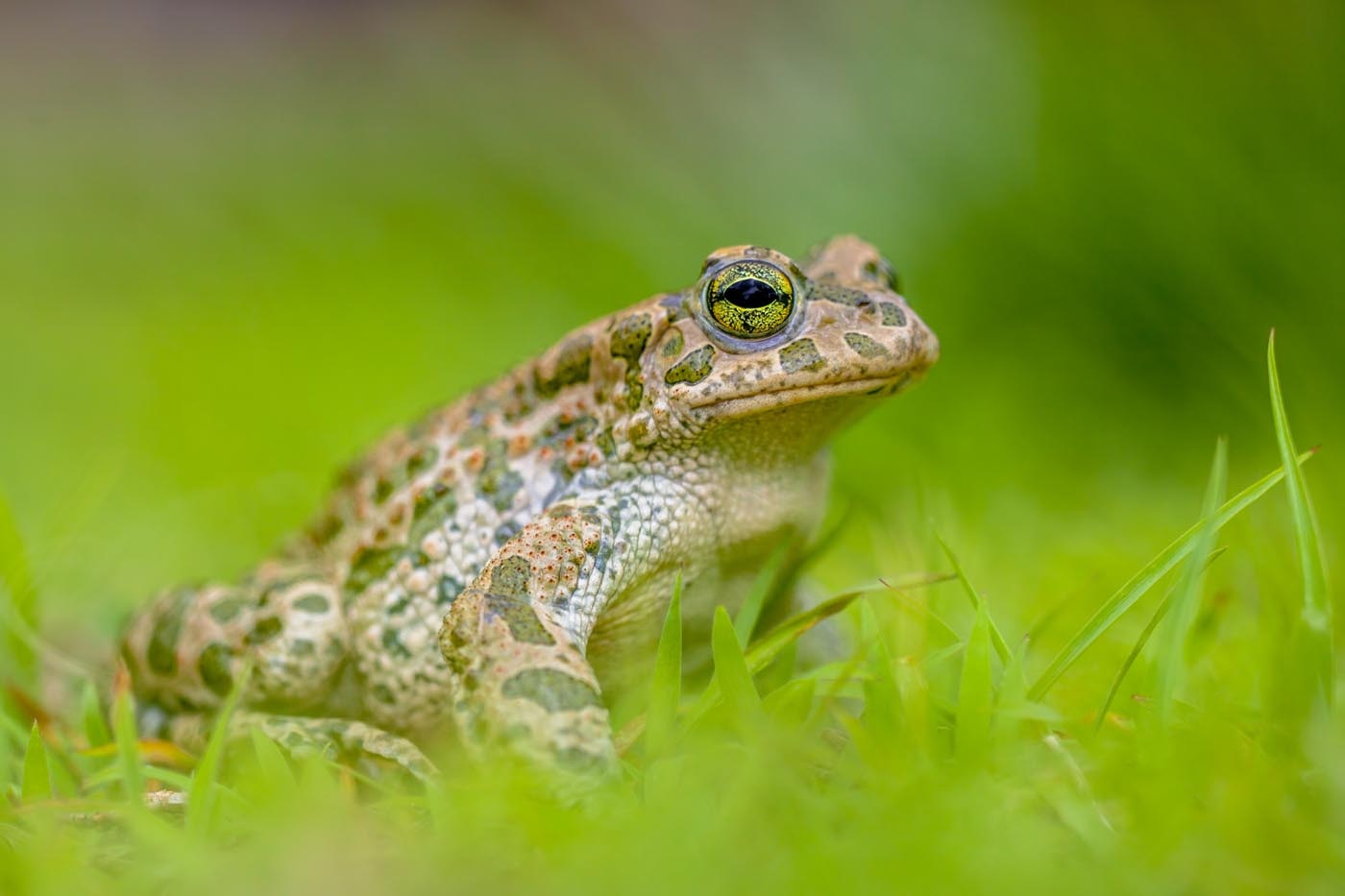
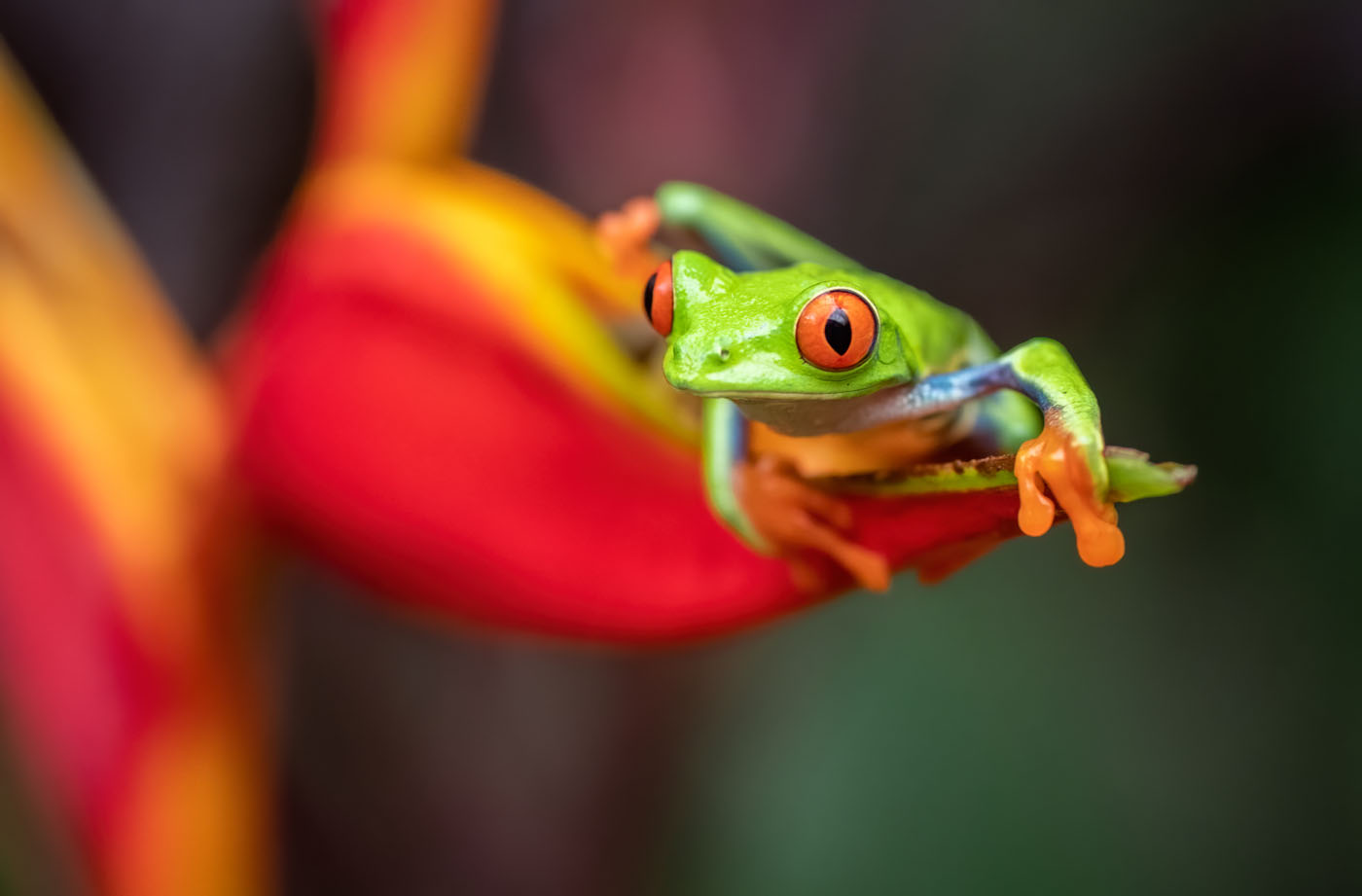
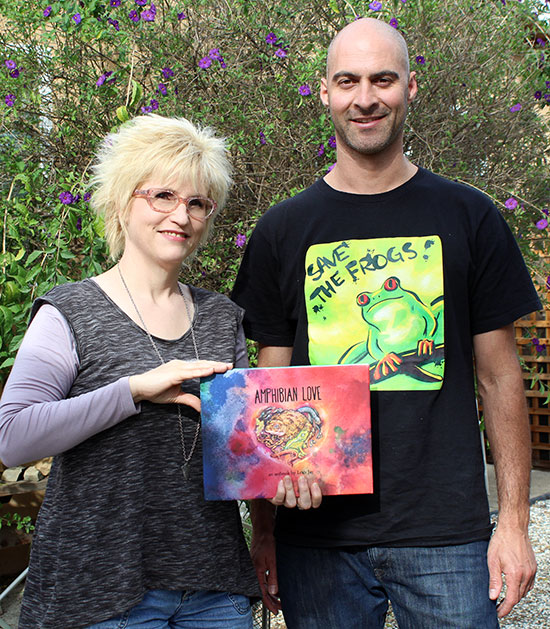
This 24" x 36" poster features my all-time favorite frog photos. It's available in the Gift Center, and all proceeds go to SAVE THE FROGS! amphibian conservation efforts. As if that's not cool enough, you get a free bumper sticker with every poster:
The internet provides an excellent framework for rapidly educating a large number of people. Check out my website design tips here, and my two other websites, IndianFluteMusic.com and KerryKriger.com.
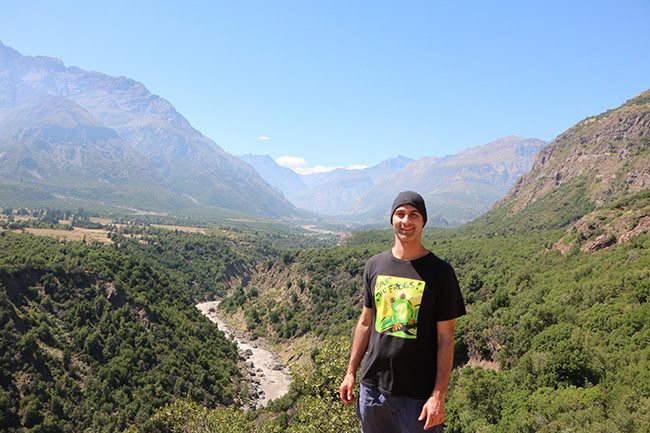
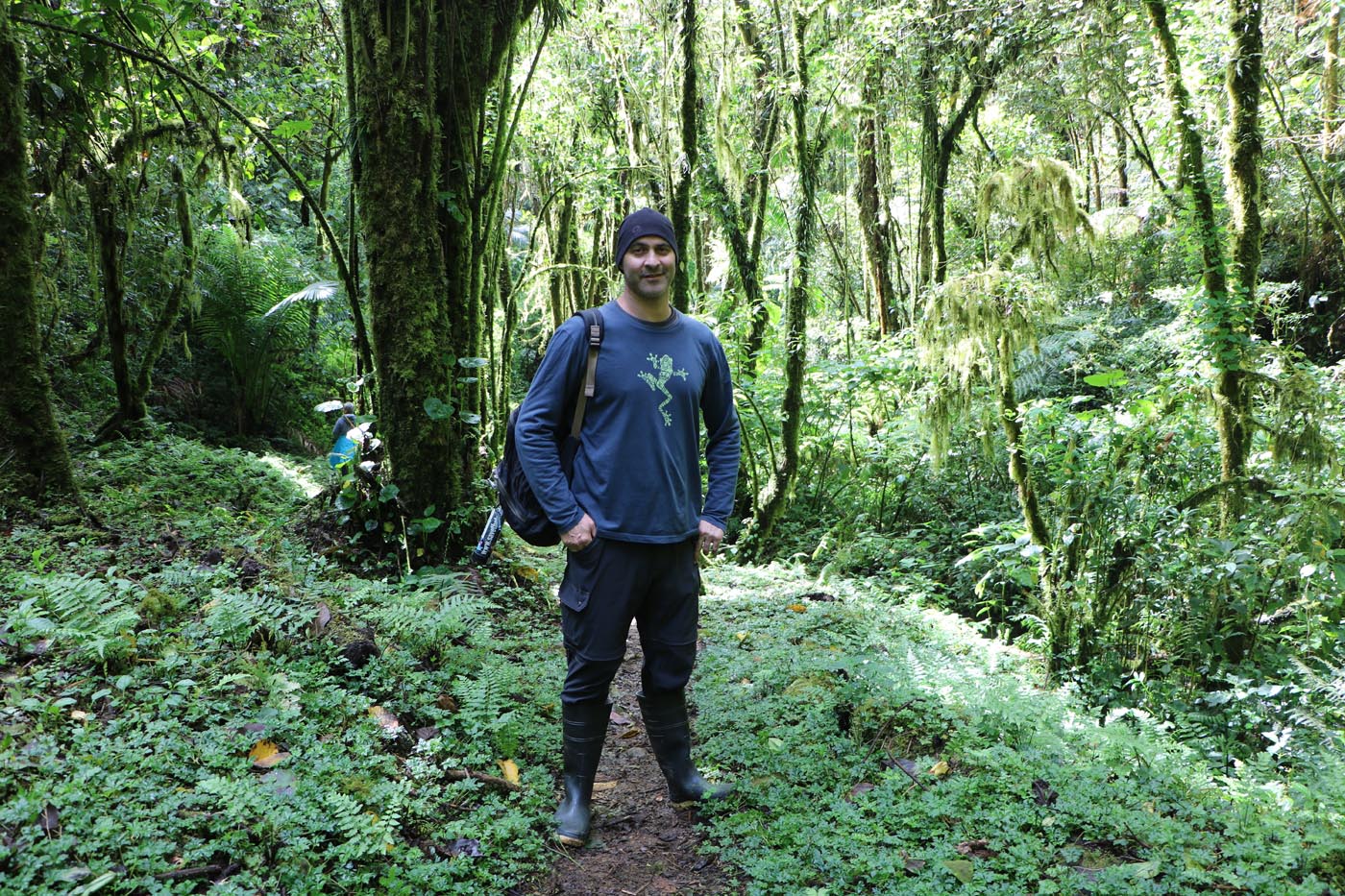
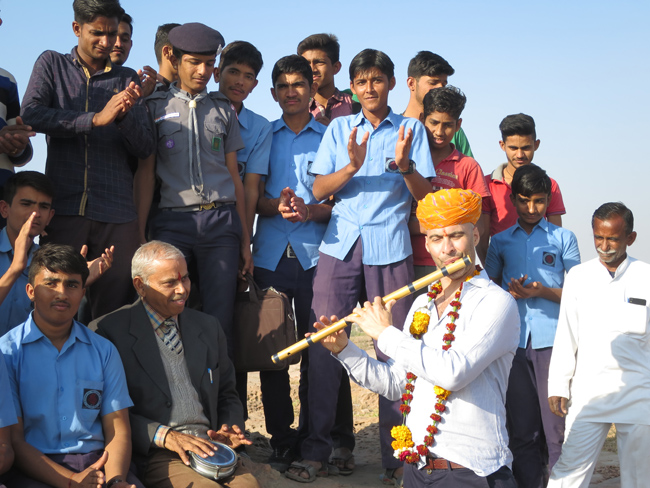
I enjoy playing bamboo flute and drums, climbing mountains, hitch-hiking, walking up rainforest streams in the middle of the night, sitting in the shade of a palm tree on a tropical beach, hanging out at waterfalls, traveling to faraway places, twirling glow pois and taking pictures, among other things. Please check out my music website IndianFluteMusic.com and my personal website.
Democracy In Action Green Grant Award
Scott Piper Best Student Publication Award
Centre for Innovative Conservation Strategies Conference Travel Grant
Queensland ‘Growing the Smart State PhD Funding Program' Grant
Best Oral Presentation on an Ecological Management and Restoration Topic at the Joint Conference of the New Zealand Ecological Society and Ecological Society of Australia
Herpetologists’ League Robert G. Jaeger Award for Graduate Research – Finalist
Australian Society of Herpetologists Conference Travel Grant
Peter Rankin Trust Fund for Herpetology Research Grant
Gold Coast Association of Postgraduates Conference Travel Grant
Ecological Society of Australia Student Research Grant
Gold Coast Association of Postgraduates Conference Travel Grant
Eppley Foundation for Research Fellowship
National Geographic Society -- Committee for Research and Exploration Grant
Gold Coast Association of Postgraduates Scholarship
Gold Coast Association of Postgraduates Conference Travel Grant
Australian Society of Herpetologists Student Research Grant
2001Northern Virginia Community College Presidential Scholar Award
Kriger, K. M. (2009) Lack of evidence for the drought-linked chytridiomycosis hypothesis. Journal of Wildlife Diseases 45(2):537-541
Kriger, K.M. and Hero, J.-M. (2009) Chytridiomycosis, amphibian extinctions, and lessons for the prevention of future panzootics. EcoHealth 6(1):148-151
Kriger, K.M. and Hero, J.-M. (2009) After the horse has bolted: a reply to Garner et al. (2009). EcoHealth 6(1):152
Kriger, K. M. (2008) SAVE THE FROGS! Nonprofit Organization: the future of amphibian conservation. Phyllomedusa 7(2):151
Kriger, K.M. and Hero, J.-M. (2008) Altitudinal distribution of chytrid (Batrachochytrium dendrobatidis) infection in subtropical Australian frogs. Austral Ecology 33(8):1022-1032
Hero, J.-M. and Kriger, K.M. (2008) Threats to amphibians in tropical regions. Encyclopedia of Life Support Services (EOLSS): Tropical Zoology. Developed under the auspices of the UNESCO, Eolss Publishers, Oxford, UK.
Van Sluys, M., Kriger, K.M., Phillott, A.D., Campbell, R., Skerratt, L.F. and Hero, J.-M. (2008) Storage of samples at high temperatures reduces the amount of amphibian chytrid fungus (Batrachochytrium dendrobatidis) DNA detectable by PCR assay. Diseases of Aquatic Organisms 81:93-97
Kriger, K.M., Pereoglou, F. and Hero, J.-M. (2007) Latitudinal variation in the prevalence and intensity of chytrid (Batrachochytrium dendrobatidis) infection in Eastern Australia. Conservation Biology 21(5):1280-1290 (Winner of the Scott Piper Best Student Publication Award)
Kriger, K.M. and Hero, J.-M. (2007) Large-scale seasonal variation in the prevalence and severity of chytridiomycosis. Journal of Zoology 271:352-359 (Journal of Zoology's most cited paper in 2007/2008)
Kriger, K.M. and Hero, J.-M. (2007) The chytrid fungus Batrachochytrium dendrobatidis is non-randomly distributed across amphibian breeding habitats. Diversity and Distributions 13:781-788
Kriger, K.M., Ashton, K.J., Hines, H.B. and Hero, J.-M. (2007) On the biological relevance of a single Batrachochytrium dendrobatidis zoospore: a reply to Smith (2007). Diseases of Aquatic Organisms 73:257-260
Hyatt, A.D., Boyle, D.G., Olsen, V., Boyle, D.B., Berger, L., Obendorf, D., Dalton, A., Campbell, R., Kriger, K.M., Hero, J.-M., Hines, H., Phillott, R., Campbell, R., Gleason, F., Colling, A. (2007) Diagnostic assays and sampling protocols for the detection of Batrachochytrium dendrobatidis. Diseases of Aquatic Organisms 73:175-192 ‘Feature Article’
Kriger, K.M. (2007) The ecology of chytridiomycosis in eastern Australia. Ph.D. Thesis. Griffith University. 200 pages.
Kriger, K.M., Hines, H.B., Hyatt, A.D., Boyle, D.G. and Hero, J.-M. (2006) Techniques for detecting chytridiomycosis in wild frogs: comparing histology with real-time Taqman PCR. Diseases of Aquatic Organisms 71:141-148
Kriger, K.M., Hero, J.-M. and Ashton, K.J. (2006) Cost efficiency in the detection of chytridiomycosis using PCR assay. Diseases of Aquatic Organisms 71:149-154
Kriger, K.M. and Hero, J.-M. (2006) Survivorship in wild frogs infected with chytridiomycosis. EcoHealth 3:171-177
Kriger, K.M. and Hero, J.-M. (2006) Cophixalus ornatus (Ornate Nursery Frog). Chytridiomycosis. Herpetological Review 37(4):443
Braiman, M.S., Briercheck, D.M. and Kriger, K.M. (1999) Modeling vibrational spectra of amino acid side chains in proteins: effects of protonation state, counterion, and solvent on arginine C-N stretch frequencies. Journal of Physical Chemistry B. 103(22):4744-4750
Thanks for visiting my page!
Kerry Kriger
Website design, photos & content by Kerry Kriger unless otherwise noted.
Copyright © 2008 SAVE THE FROGS!TM All Rights Reserved.
This site has been optimized for Internet Explorer 7.0
Kerry Kriger