

Dr. Kerry Kriger
SAVE THE FROGS! Founder, Executive Director & Ecologist
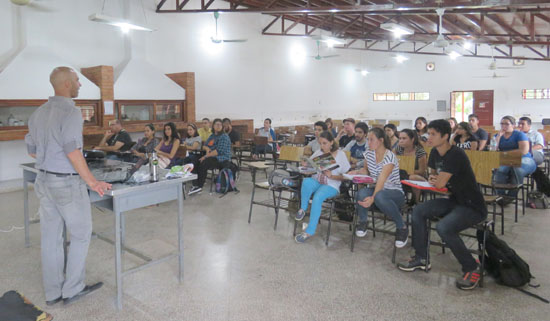
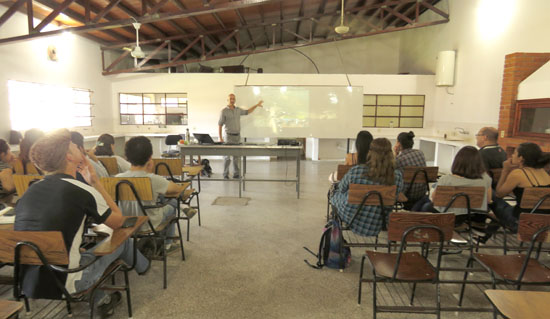
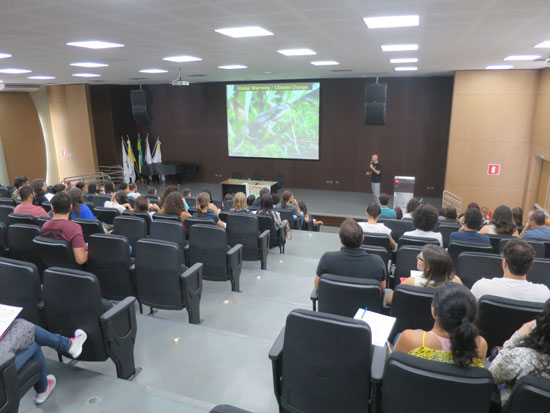
Dr. Kriger is the Founder & Executive Director of SAVE THE FROGS!, the world’s leading amphibian conservation organization. He conceived Save The Frogs Day, the world’s largest day of amphibian education and conservation action, and has given over 450 presentations on amphibian conservation in 20 countries (Argentina, Australia, Bangladesh, Belize, Brazil, Canada, Colombia, Costa Rica, Ecuador, Ghana, India, Malaysia, Mexico, New Zealand, Panama, Paraguay, Portugal, South Korea, Spain and the USA).
Dr. Kriger holds a Ph.D. in Environmental Science from Griffith University in Gold Coast, Australia, and a Bachelor of Science degree in Mechanical Engineering from the University of Virginia in Charlottesville, VA. He is a recognized expert on the amphibian disease chytridiomycosis, a topic on which he has published 20 articles in peer-reviewed international scientific journals. Dr. Kriger’s amphibian conservation efforts have been supported by the National Geographic Society, the Disney Worldwide Conservation Fund, Patagonia, and various philanthropic organizations throughout the world.
He has previously done research on endangered Hawaiian birds, and on the biophysical properties of amino acids involved in cystic fibrosis. He has taught university courses in Ecology, Vertebrate Biology, Applied Mathematics and Chemistry, has written and edited chapters for encyclopedias, and is fluent in Spanish and Portuguese. Dr. Kriger has climbed mountains in the Himalayas, Alps, Alaska Range, Southern Alps and the Andes, and is an avid photographer whose photographs have been featured on CNN and in airports and magazines worldwide.
Dr. Kriger also teaches, records and performs music on a variety of instruments from around the world, builds websites and advises nonprofit organizations.
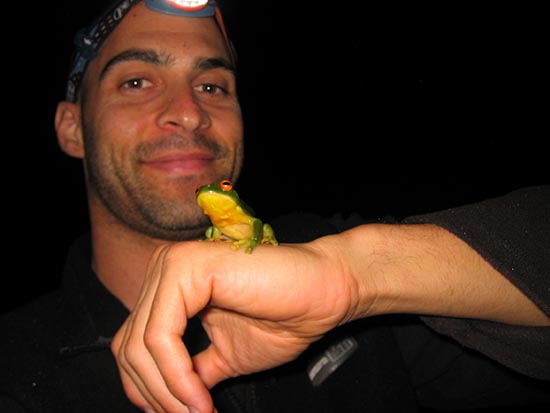
“Dr. Kriger, Thank you for your dedication. You make the world a better place!
– Sincerely, Dr. Barbara Anne Kidd-Hoffmann”
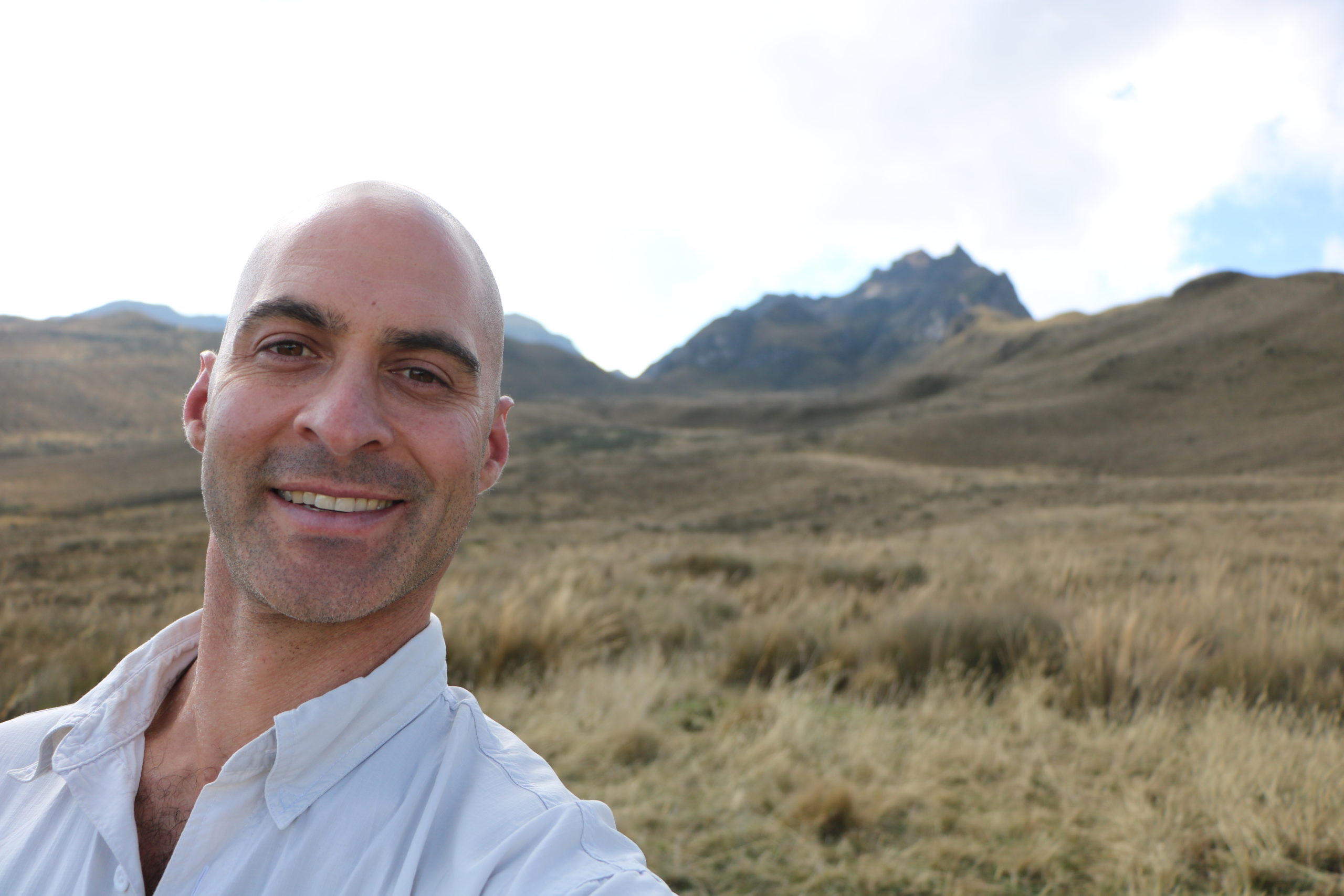
Dr. Kriger’s Academic Qualifications
Ph.D. in Environmental Sciences
Griffith University, Gold Coast, Australia, School of Environmental and Applied Sciences
B.S. in Mechanical Engineering
University of Virginia, School of Engineering and Applied Sciences
“Thanks so much Kerry! My life is enriched by amazing, dedicated, inspiring people like you!”

“Dr. Kriger, Thank you so much for coming out and speaking to our Lions Club last night, this was fascinating and your work has enthused so many of us.”

“Kerry, thank you for your kind message. It has long been a privilege to help to support SAVE THE FROGS!, and I plan to continue to do so. I so miss David, but his legacy is strong.”

“Thank you so much Kerry!! SAVE THE FROGS has so many great things going on right now to help raise awareness for frogs!! Thank you for all you do.”

Dr. Kerry Kriger’s Resume (CV)
You can scroll through it or download it.
“Hi Kerry, I listened to Michael Mercury’s radio show last weekend and heard your interview and it was really good. I learned a lot of things about SAVE THE FROGS! that I didn’t know and am reading more on the website, too. I hope it got out to people and it has an influence. As an avid frog enthusiast I appreciate your work and hope to meet you sometime.”

“Wow. I just want to say thank you, Kerry, for coming and giving us your time. You just have such a wealth of experience and knowledge and ideas. You’re a busy fellow and this has been absolutely amazing to meet you and to hear more about what you do and what you’re really passionate about and what’s next and all sorts of stuff that I couldn’t have imagined we’d cover in today’s chat.”

Articles By Or About Dr. Kerry Kriger



Featured In National Geographic Magazine
Dr. Kriger has spoken on National Geographic Radio and has been quoted in the magazine. Click the image below to see the article, which tells the story of the author’s SAVE THE FROGS! Costa Rica Ecotour experience.

What STF! Supporters Say About Dr. Kriger
“I have deep admiration for Kerry and his endeavors. He shows us all that each of us can make a difference, if we try. I consider it a privilege to contribute towards his efforts.“

“Thank you for your leadership of this awesome organization!“

“Thanks Kerry. Great hearing from you. Your work with frogs is extremely important. We need them as much if not more so than whales. I am presently heading South down the coast of Tasmania bound for the Southern Ocean Whale Sanctuary. We should intercept the Japanese whaling fleet within the next few weeks and hopefully we will be able to save hundreds of whales from their deadly harpoons.“

“Dear Dr. Kriger, I am writing this letter to you because I am inspired by your SAVE THE FROGS! project and what you are doing to help conservation. It’s nice to know that someone has enough kindness to help out. Your work is really remarkable! It’s so important for people to care about the environment, global warming, and extinctions, because we all share this planet. You are inspiring to me and others, because you have helped educate millions of people and done so much. I don’t want to think about living in a world without amphibians and the sound of frogs calling in the night.”

“This website is important to show students why they need to be nature explorers and document what they find and help change some habitats for frogs. Dr. Kerry Kriger has done amazing work for many years. You’ll find excellent information and research regarding frogs as well as wonderful photos.”
“Hi Dr. Kriger, Thank you for getting back to me! The resources you provided me have been very helpful. I looked through your SAVE THE FROGS! website and you have accomplished some amazing things! I feel pretty special to have your time and insight! You’ve provided invaluable resources for me and I’m beyond appreciative! I’m also thrilled to share your efforts and SAVE THE FROGS! initiative during my presentation. Thanks for all you do!”

Join Me On A
SAVE THE FROGS! Ecotour
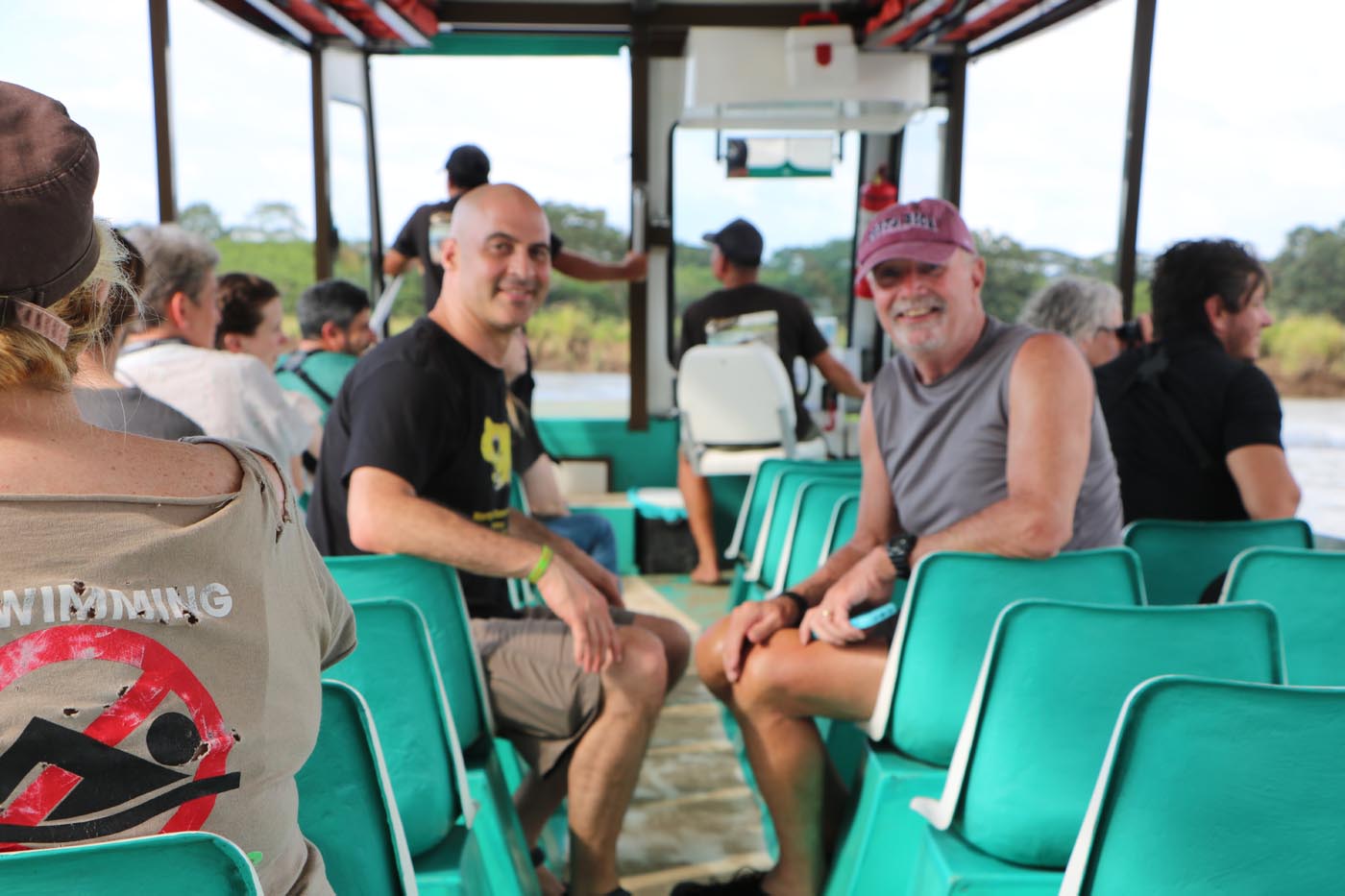
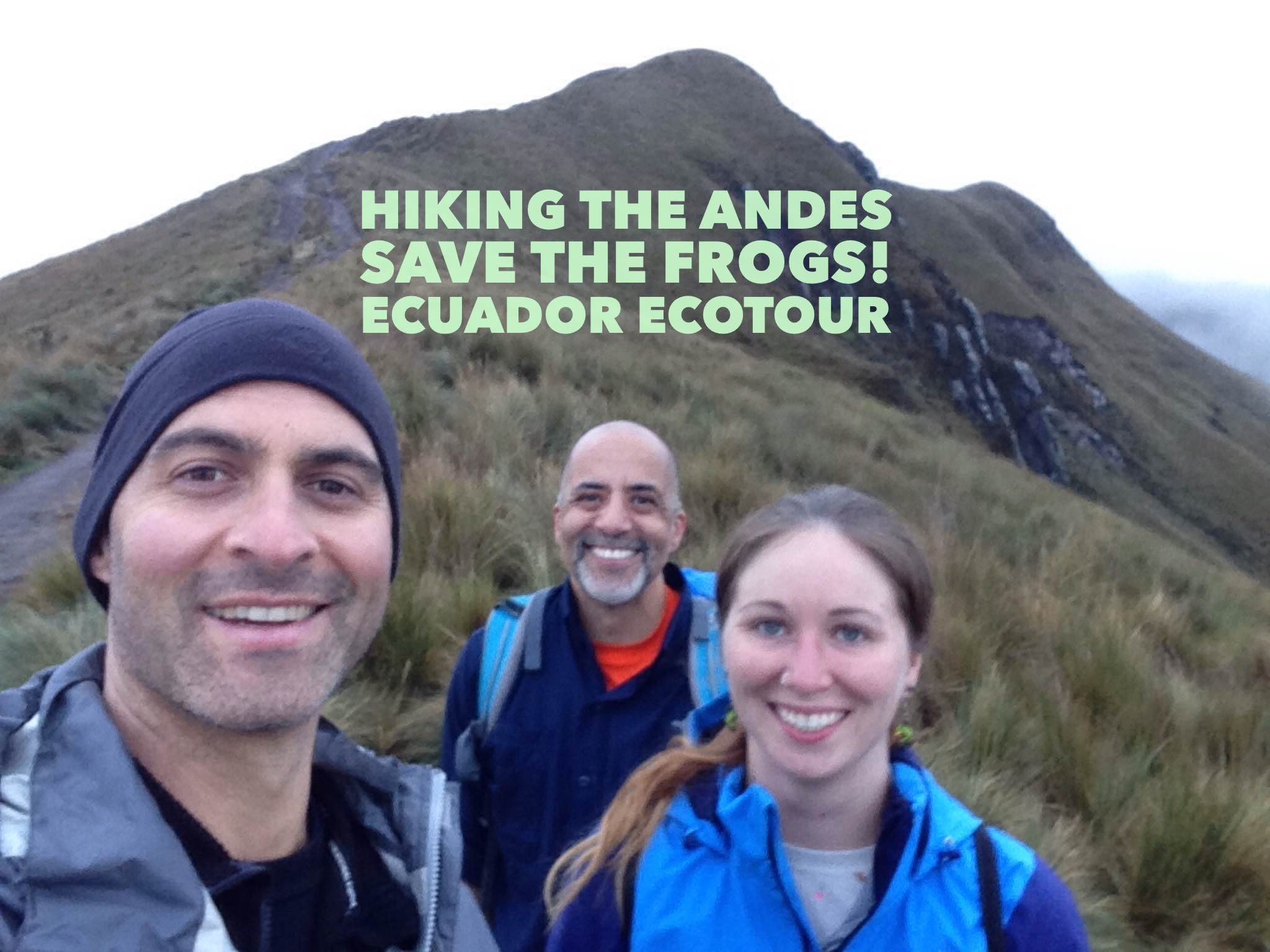
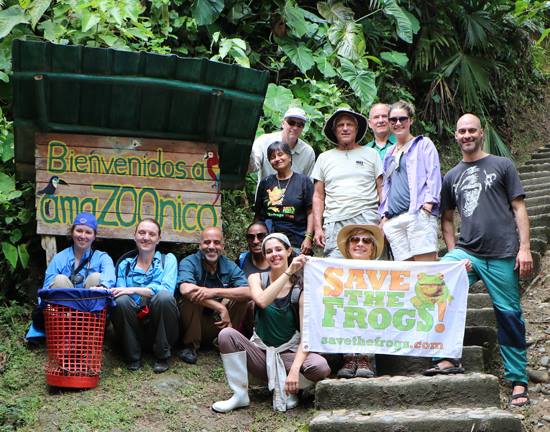
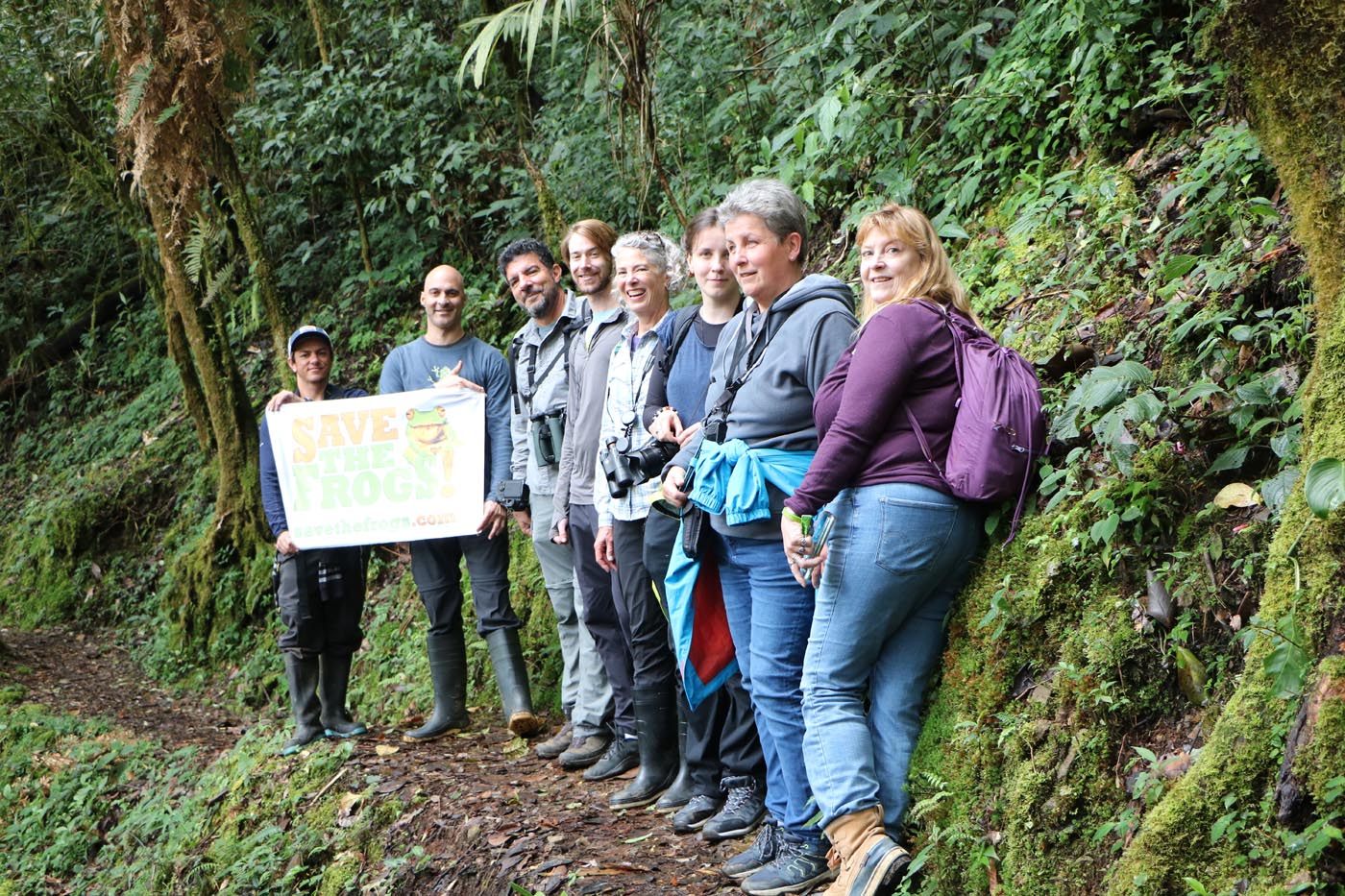
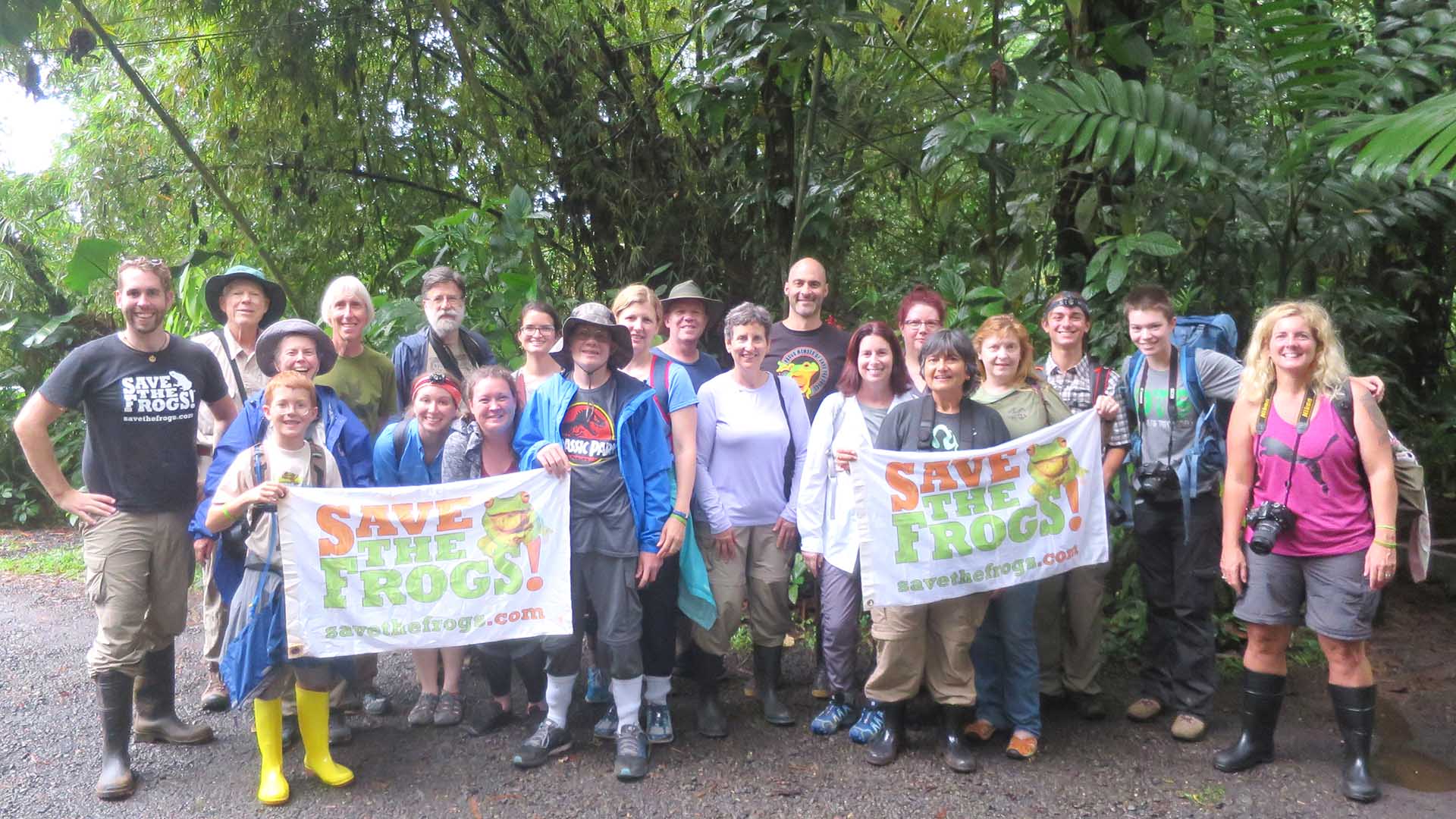
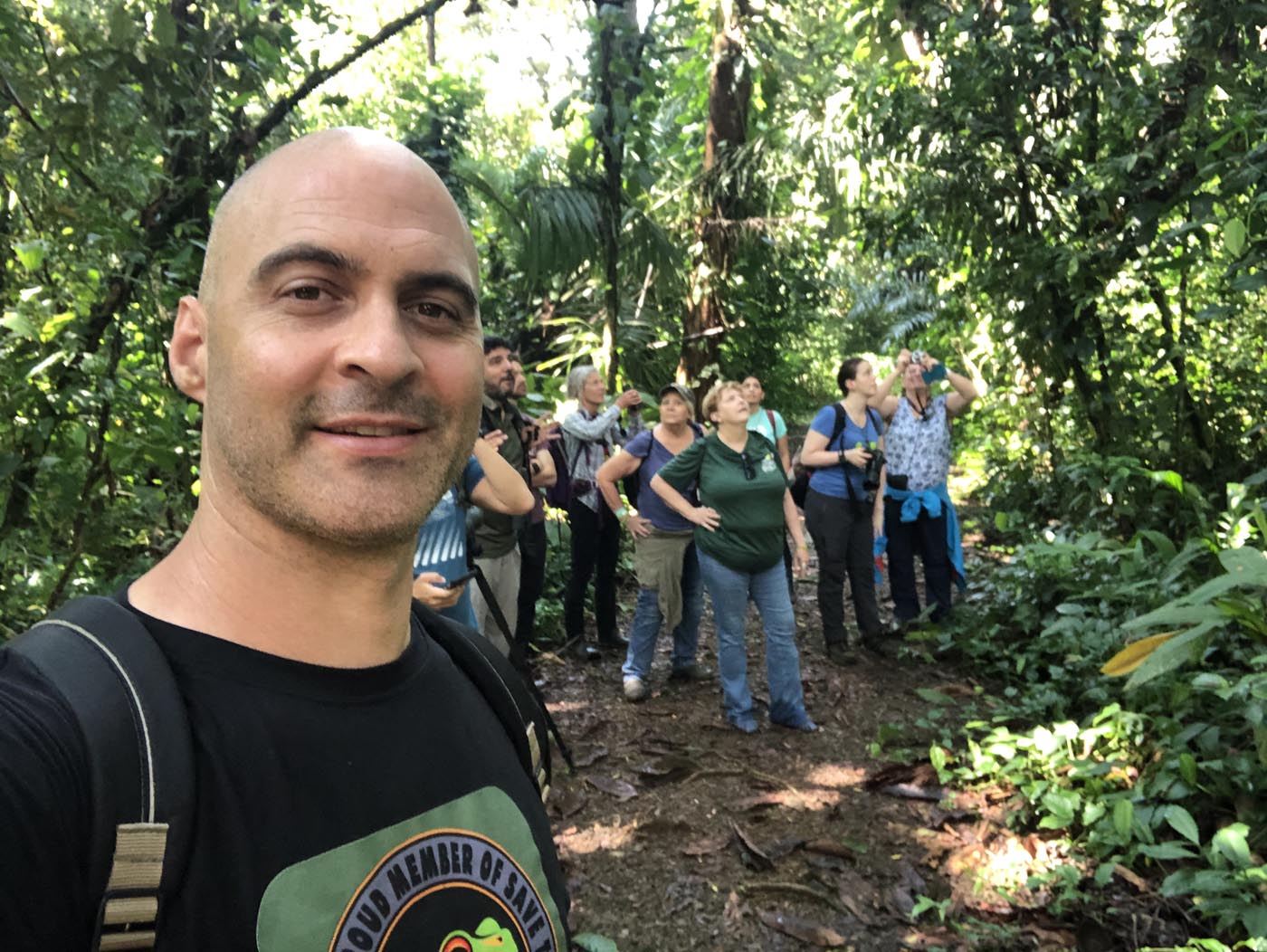
Since 2013, I have been organizing and leading SAVE THE FROGS! Ecotours to Costa Rica, Ecuador, Peru, Malaysia and Belize in search of beautiful nature and amazing frogs. Join me for an upcoming adventure!
Watch My TED-Ed Video
I teamed up with TED-Ed to produce the video below, which has been viewed over 397,000 times. Please watch, enjoy and share!
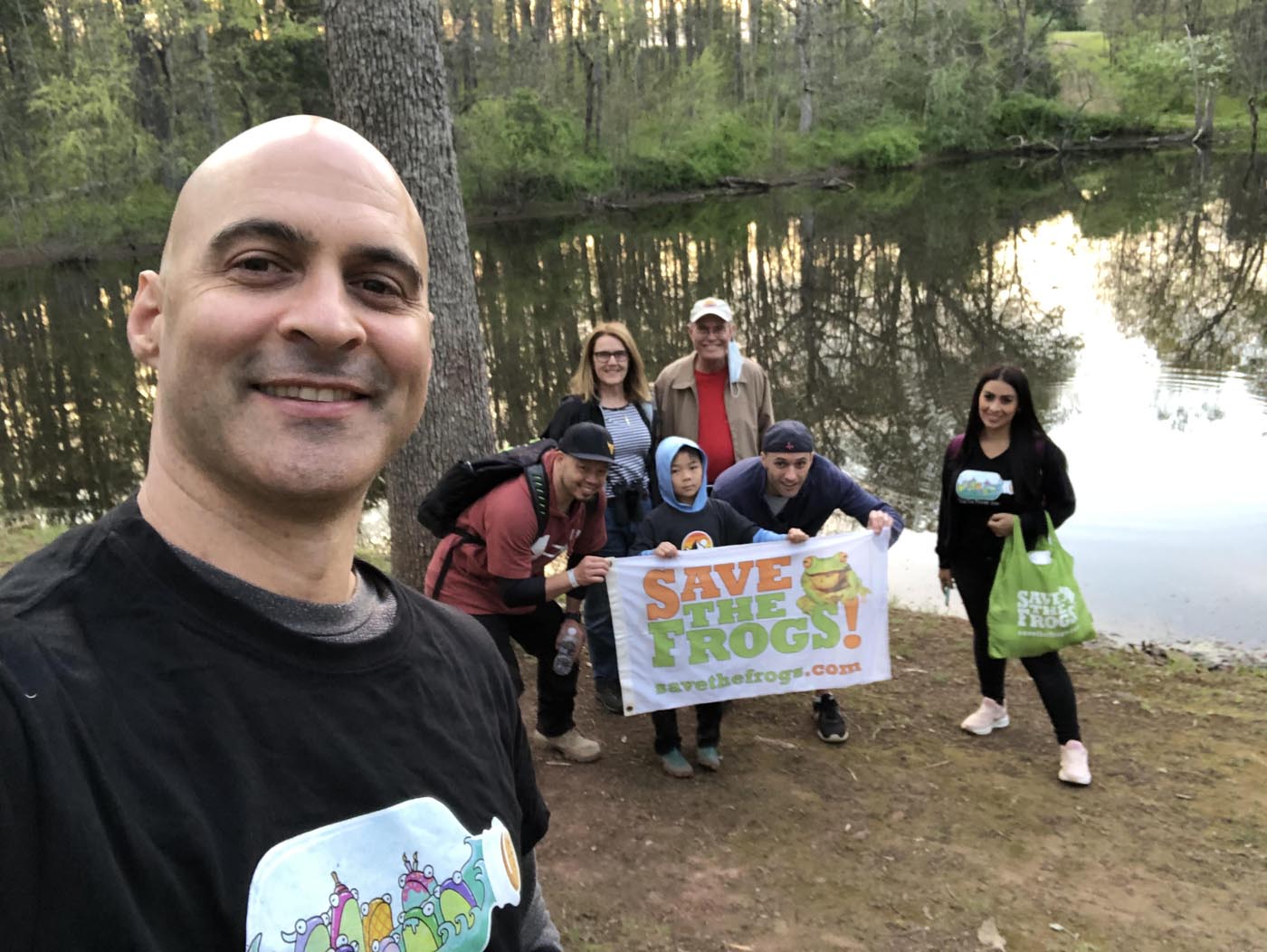
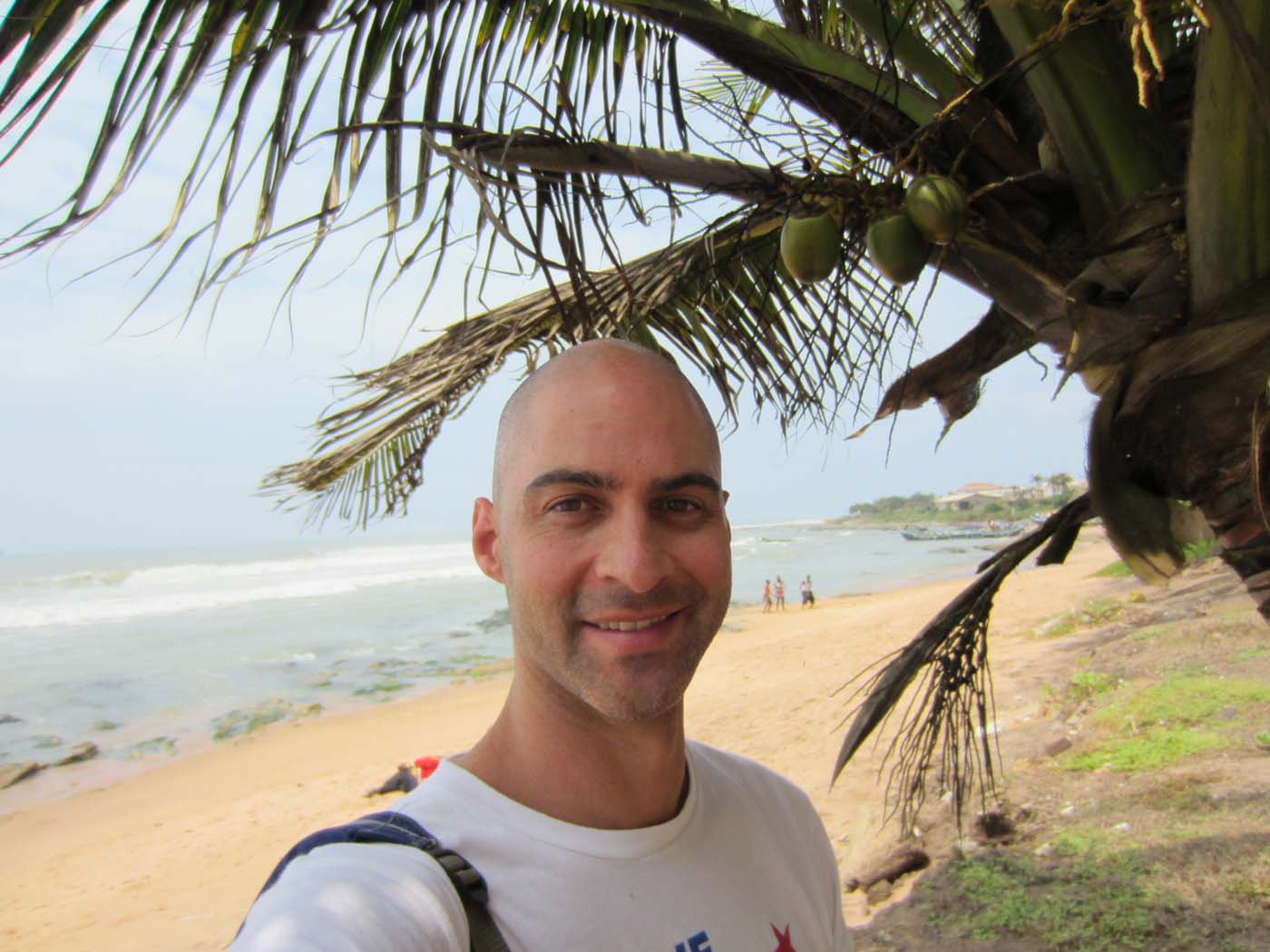
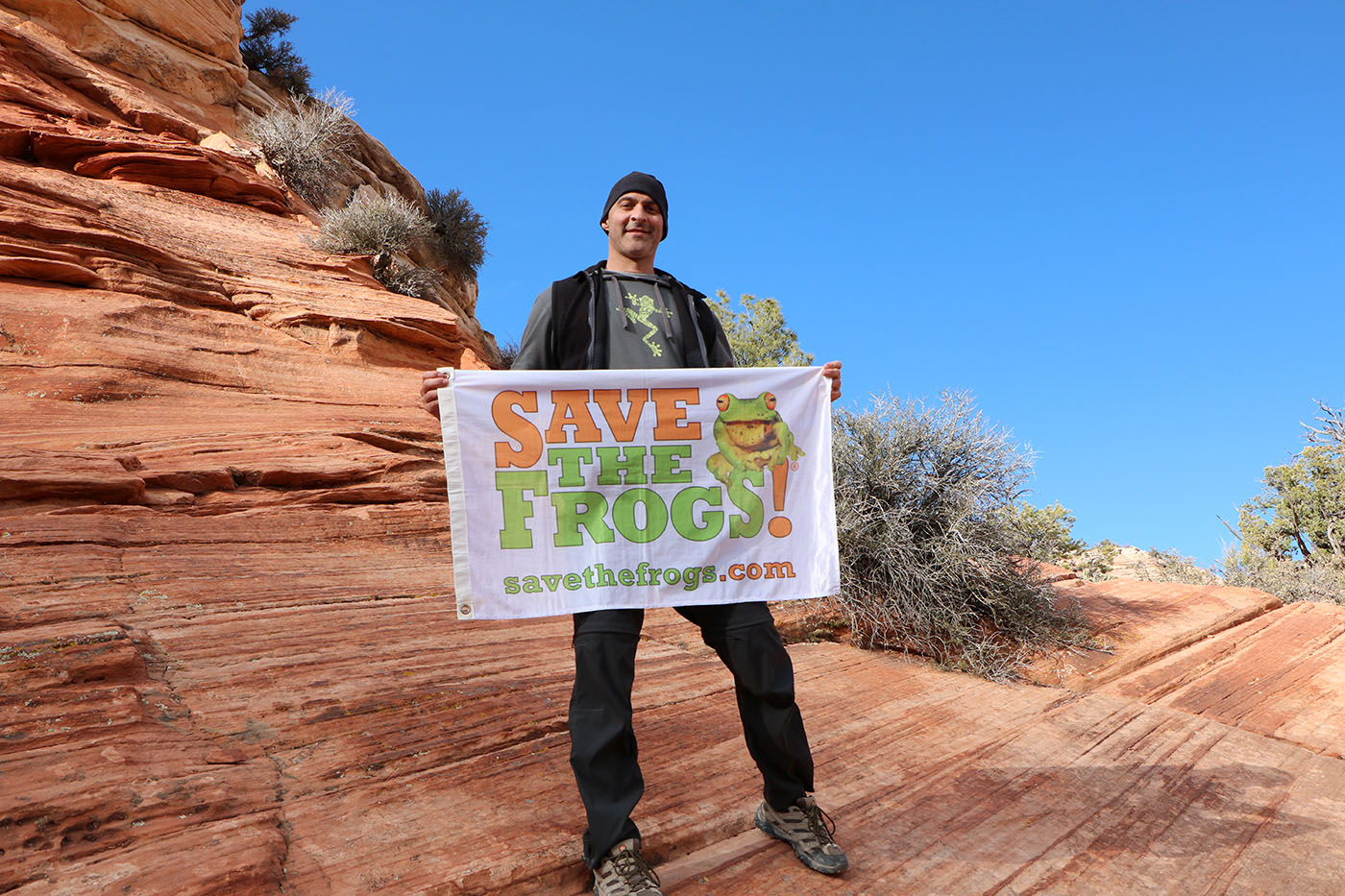
Photo Gallery
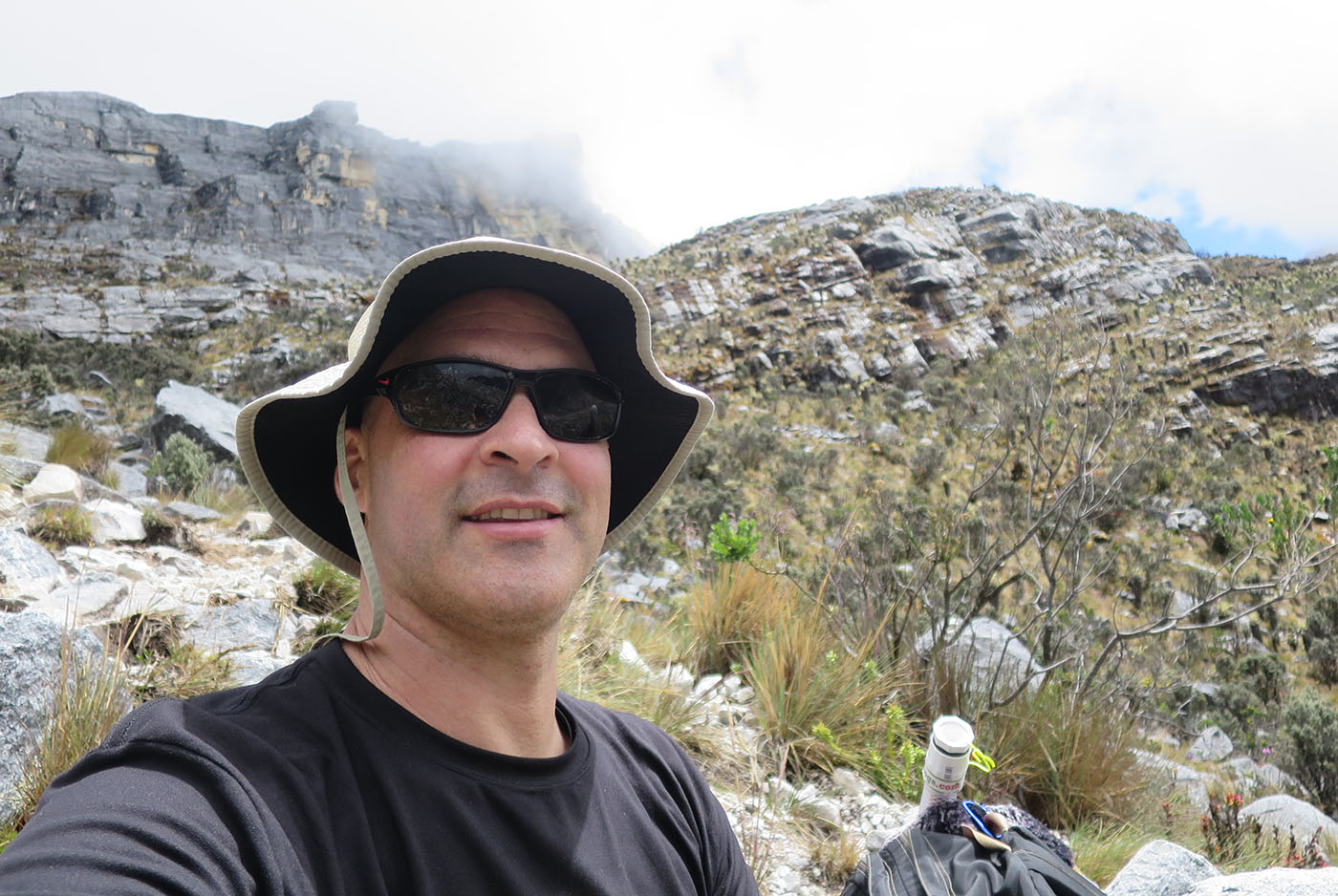
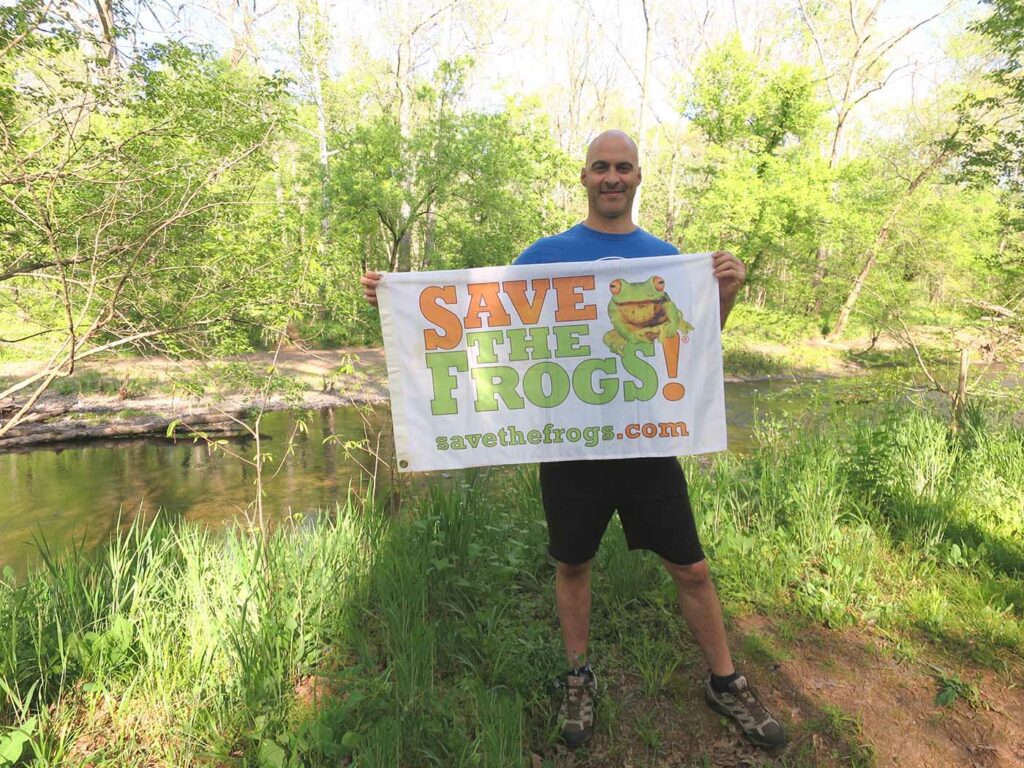
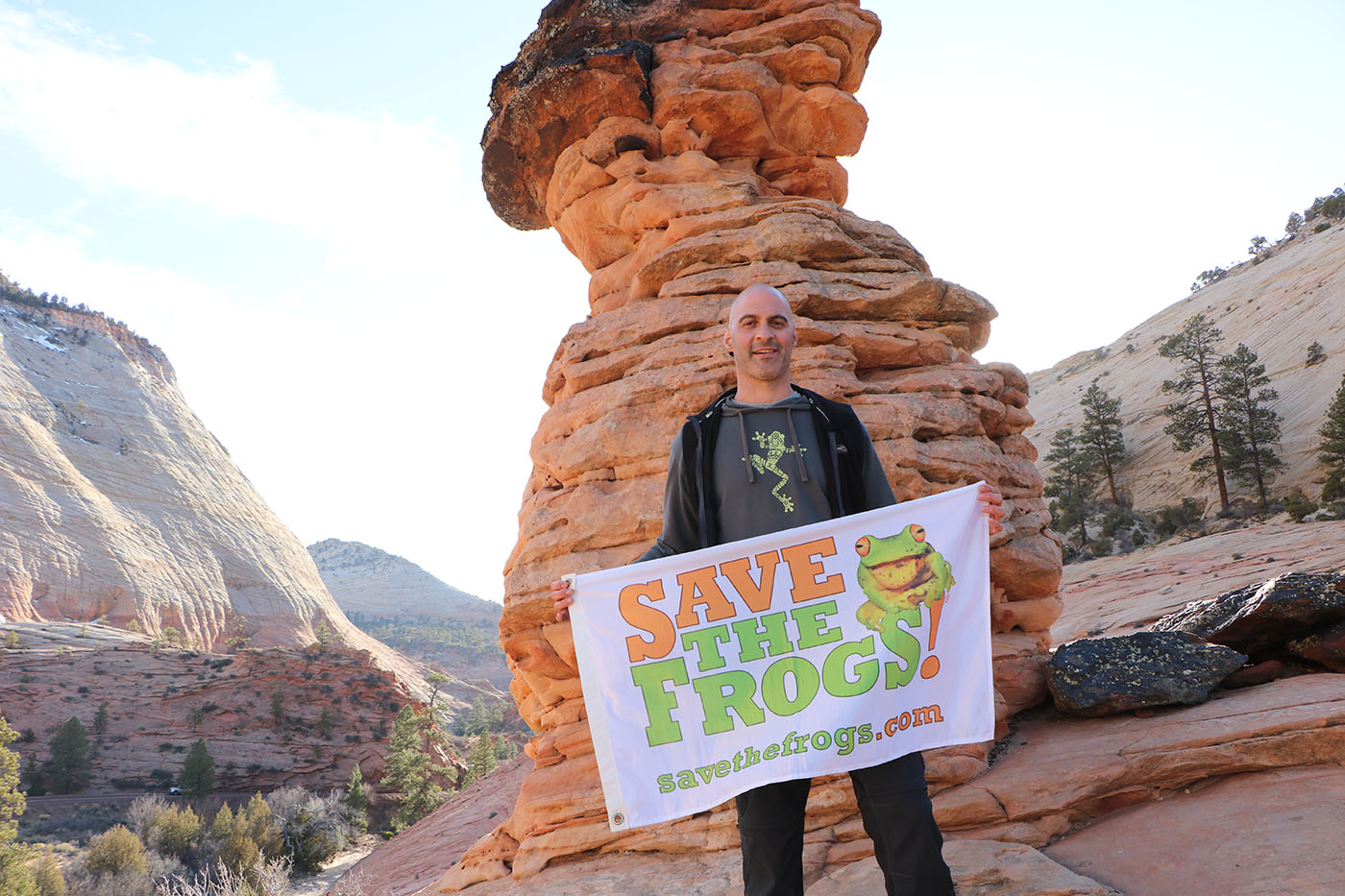
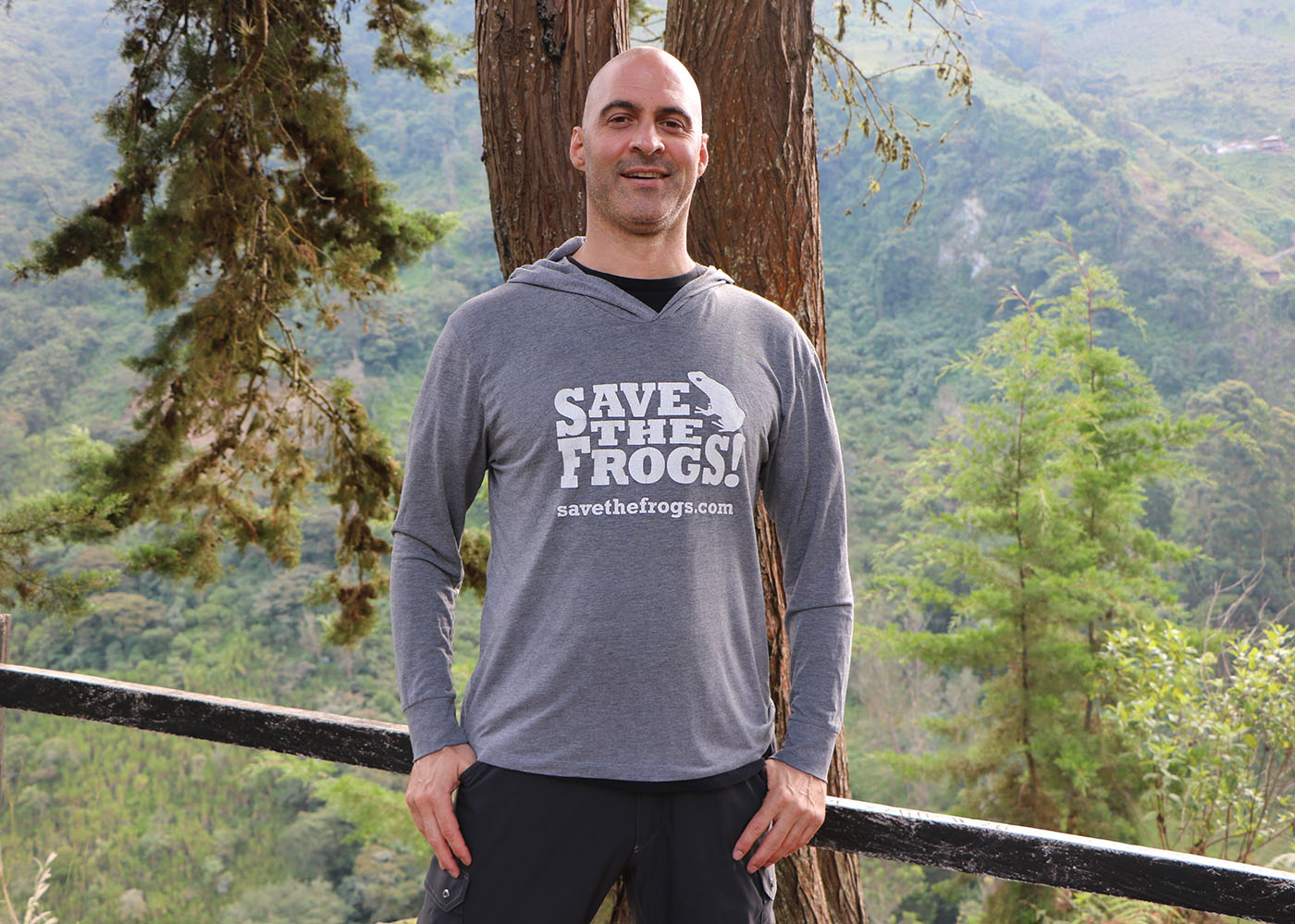
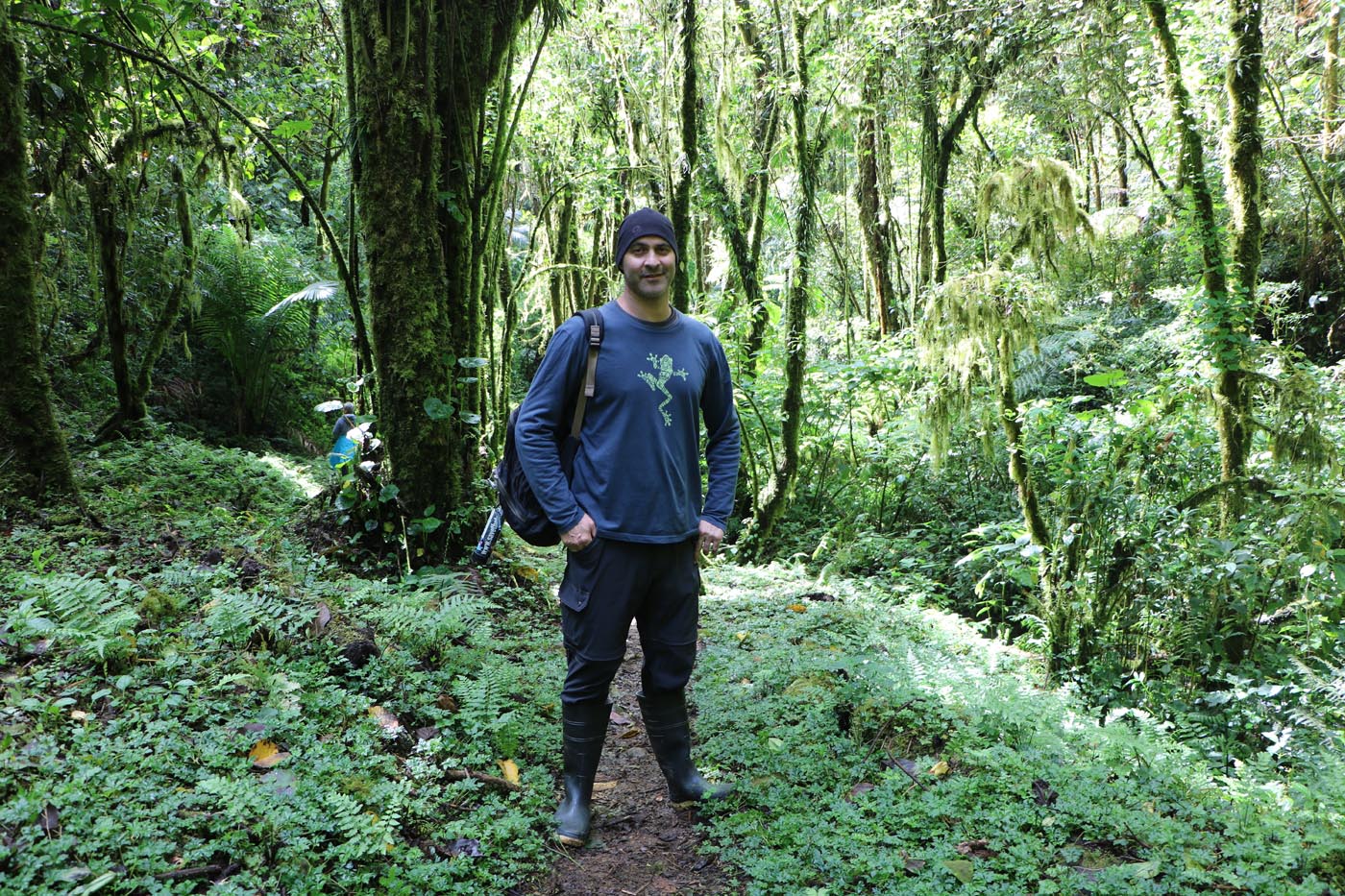
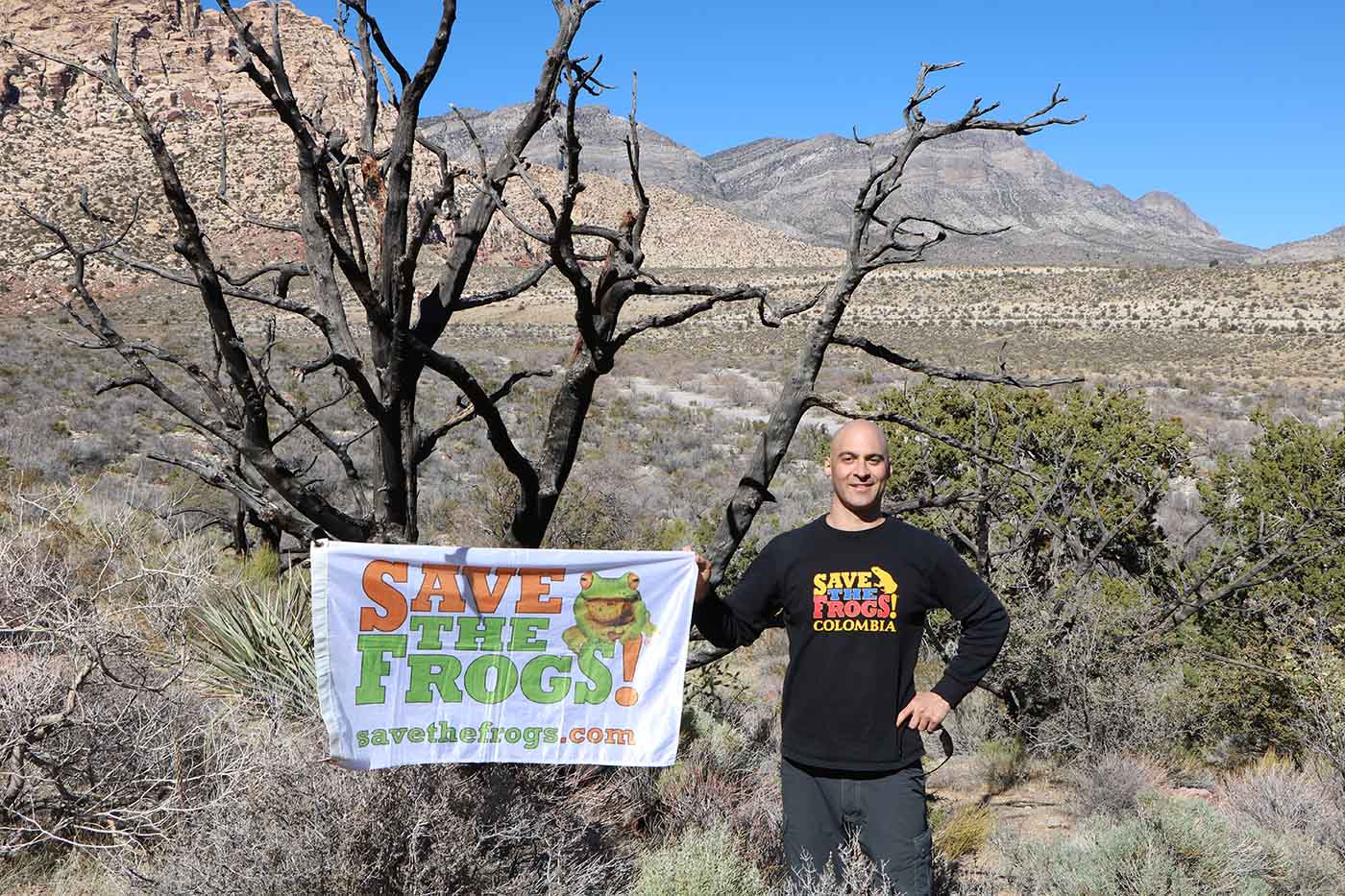
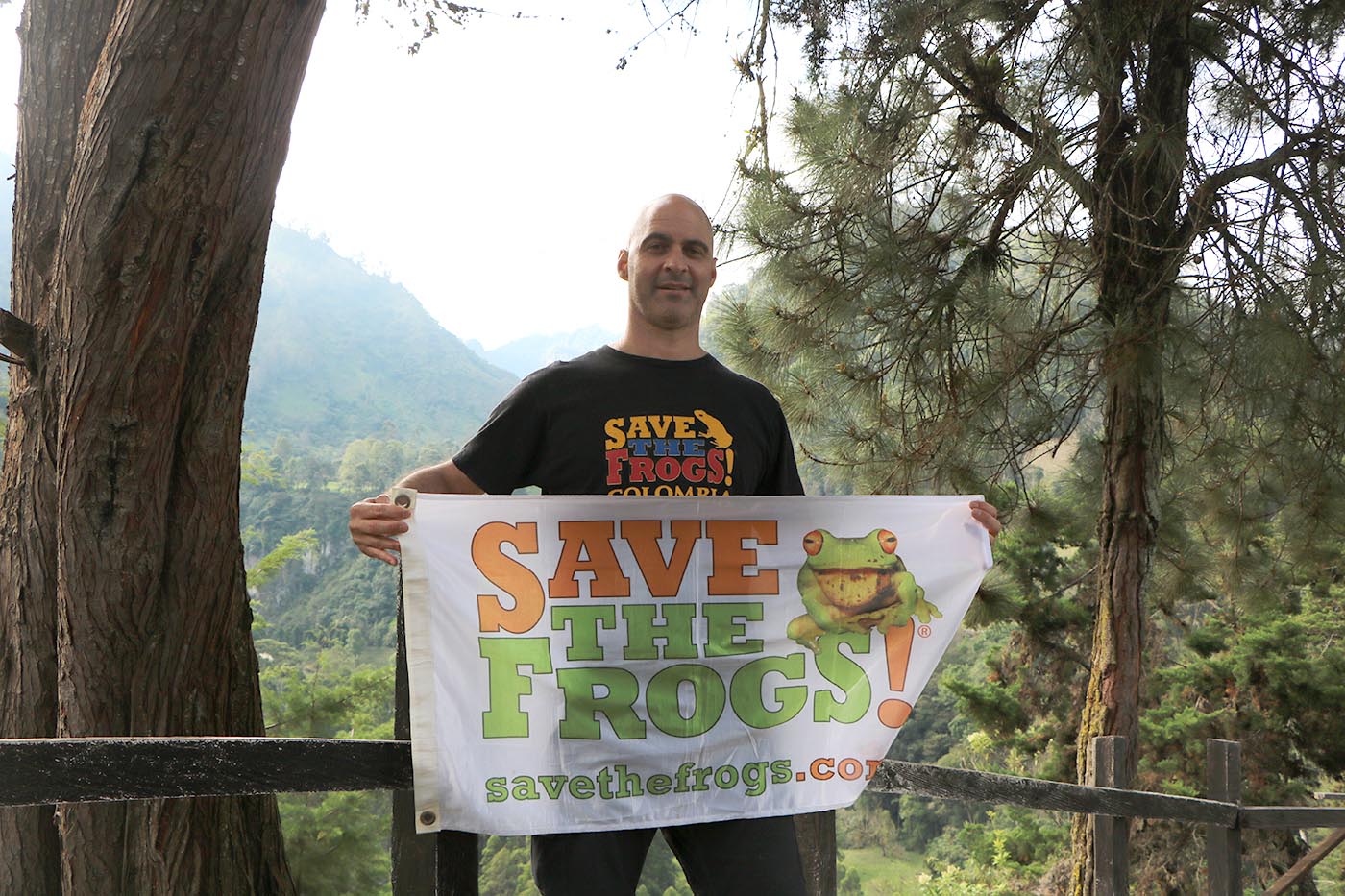
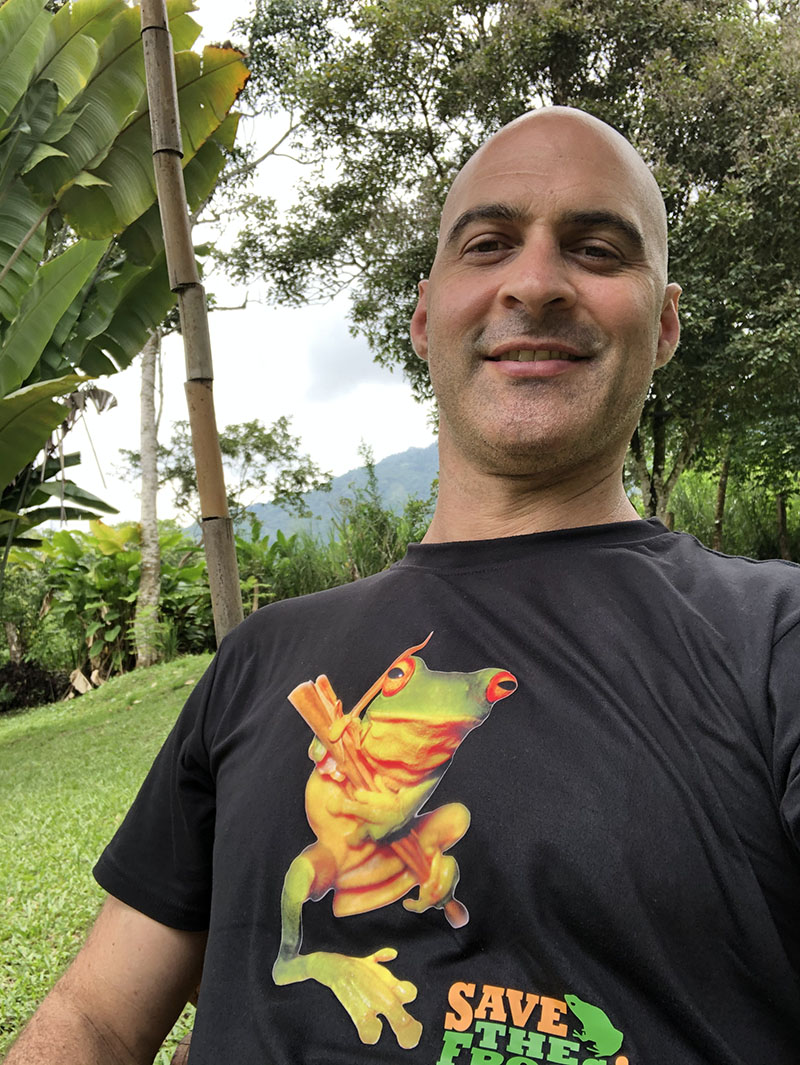
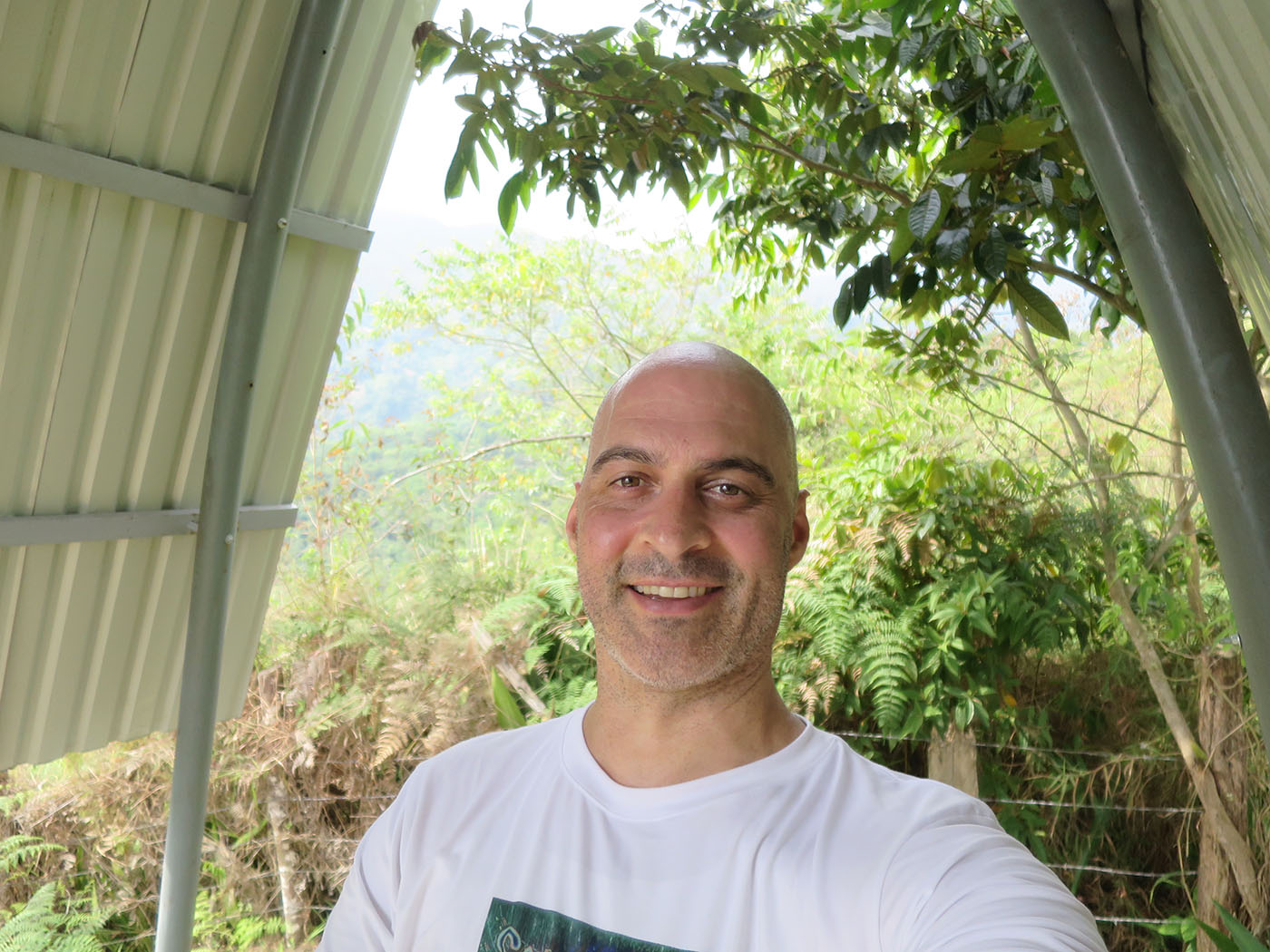
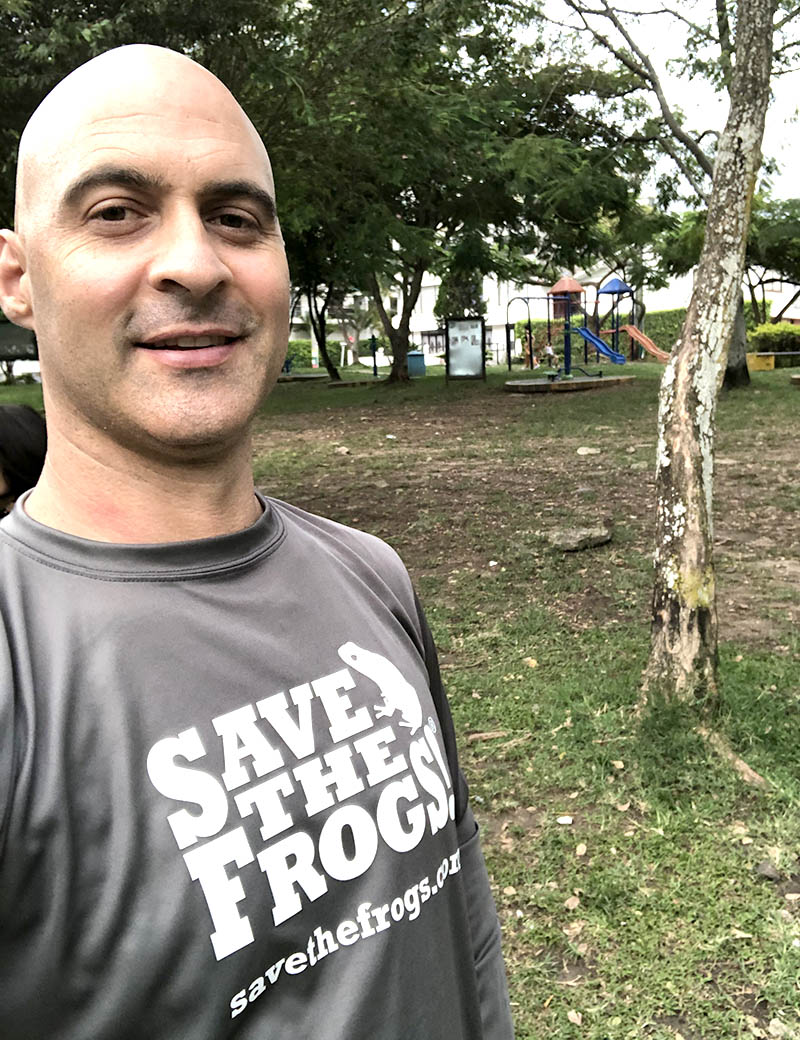
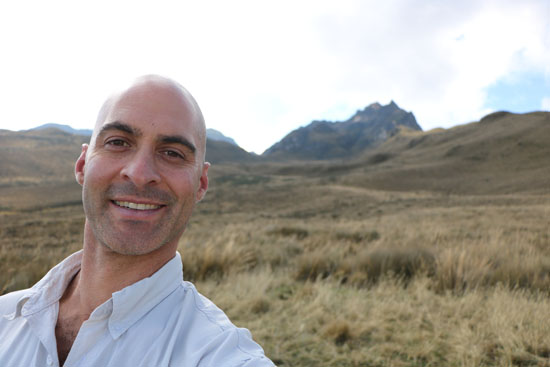
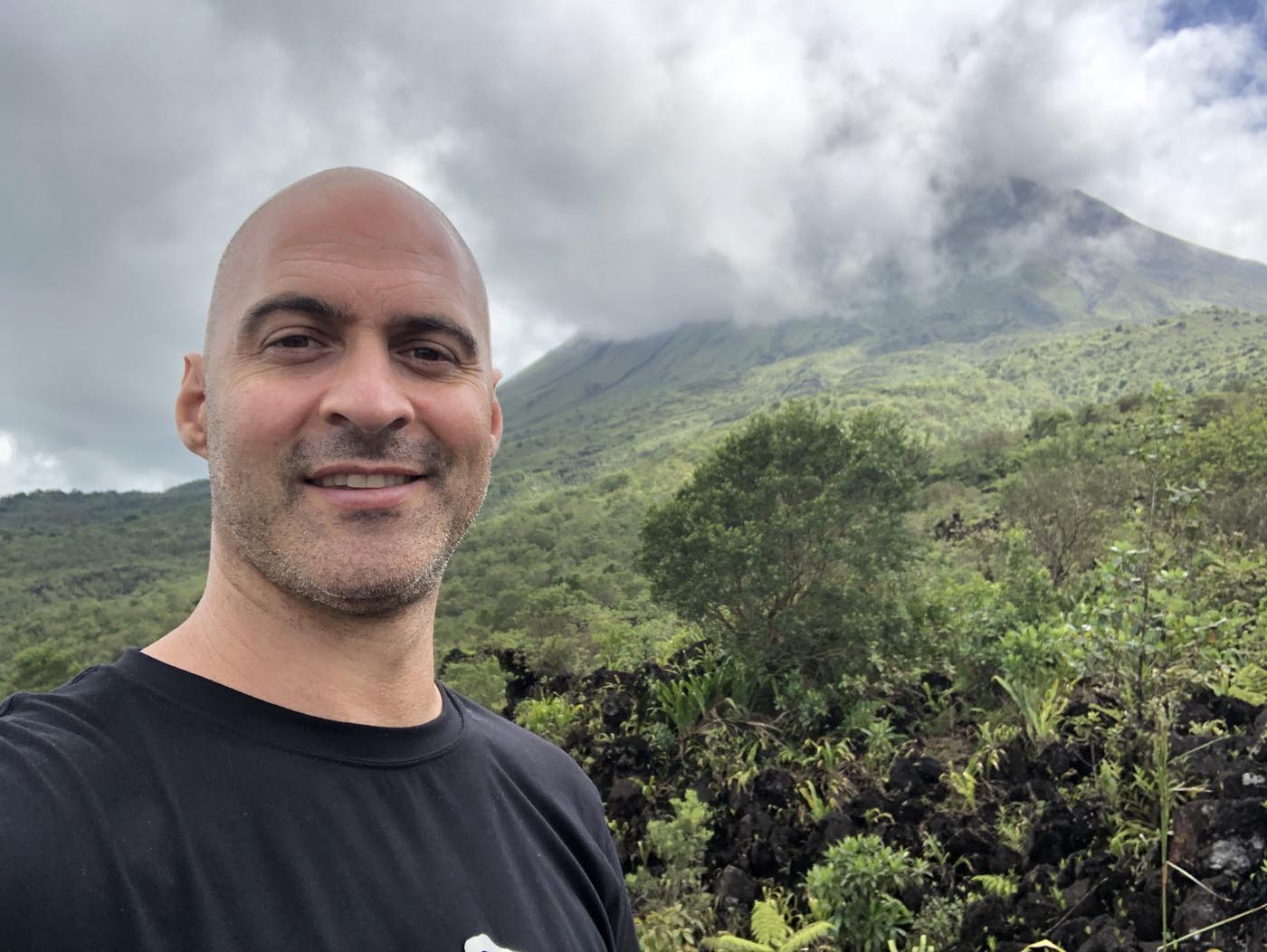
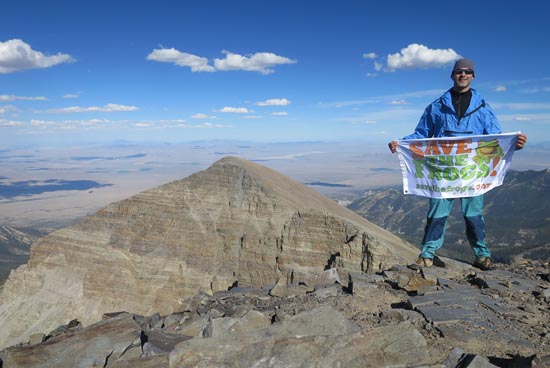
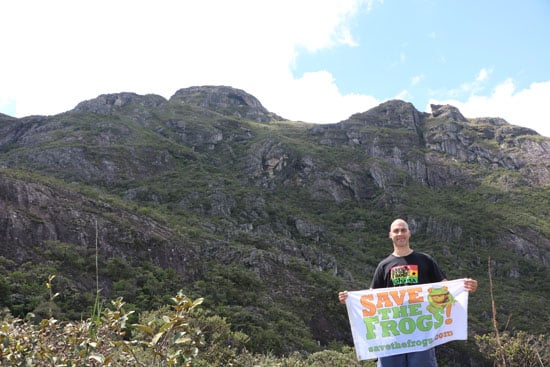
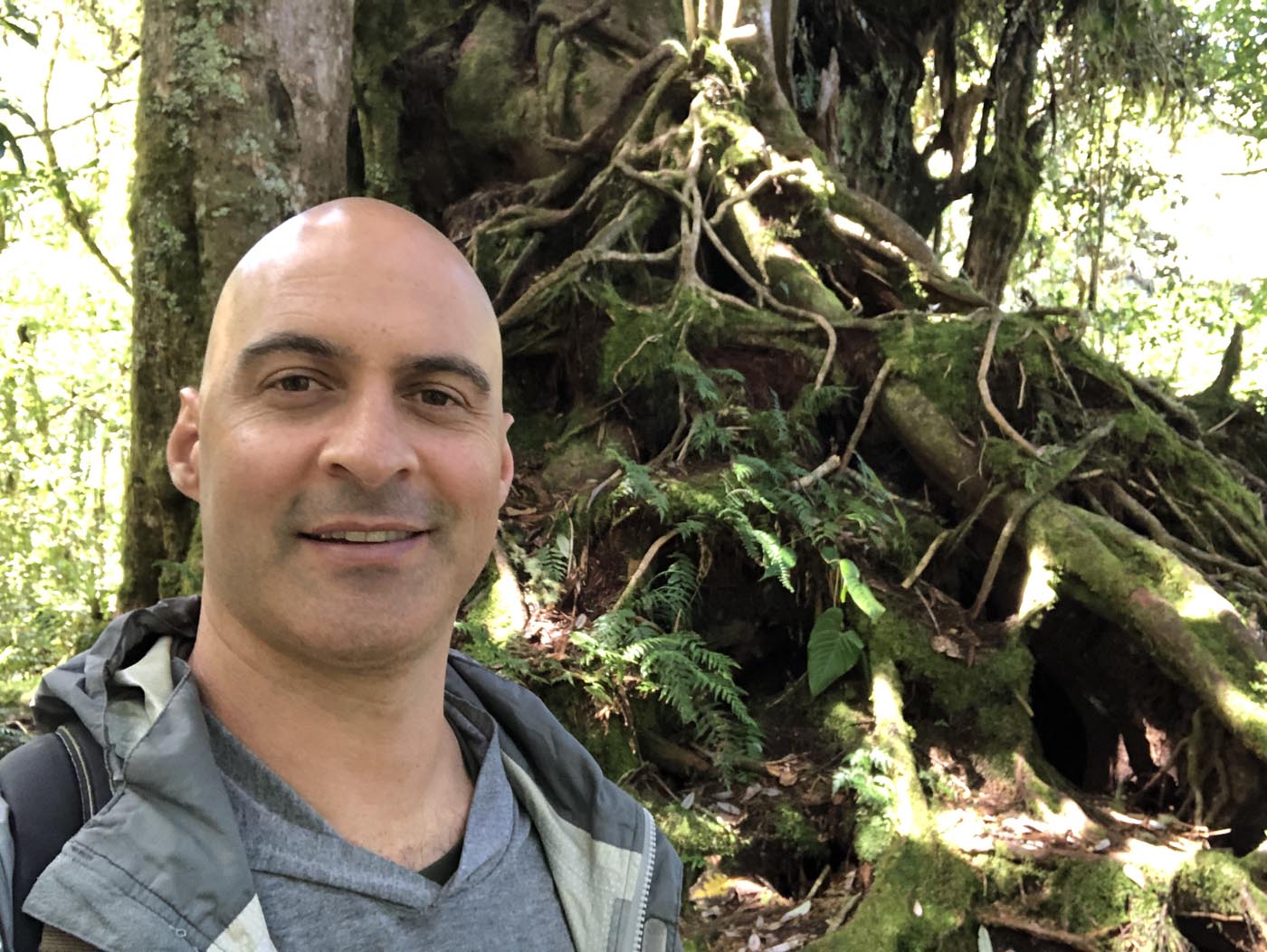
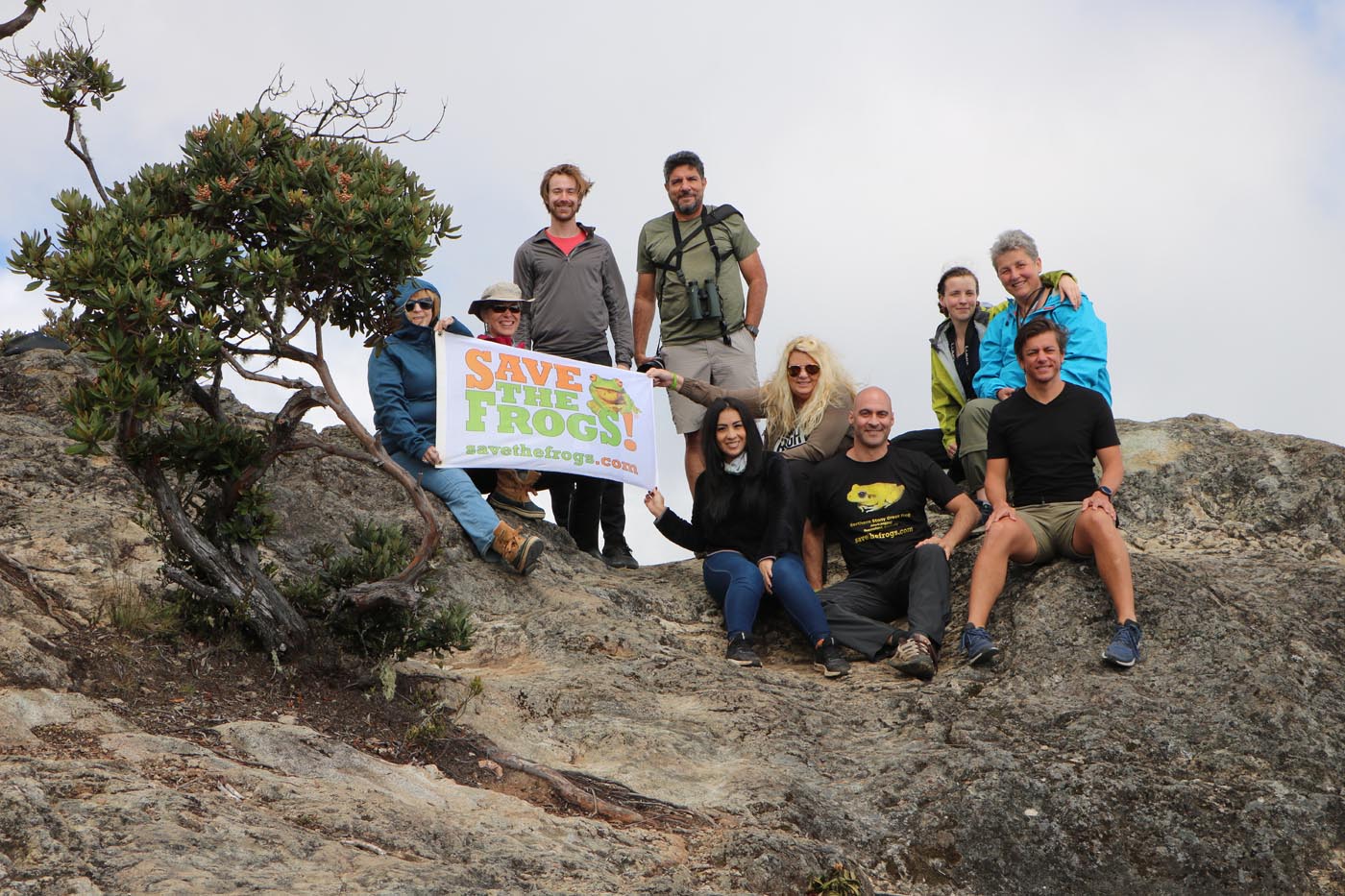
Enjoying the mountain air in Parque Nacional Natural Cocuy, Boyaca, Colombia, November 2022.






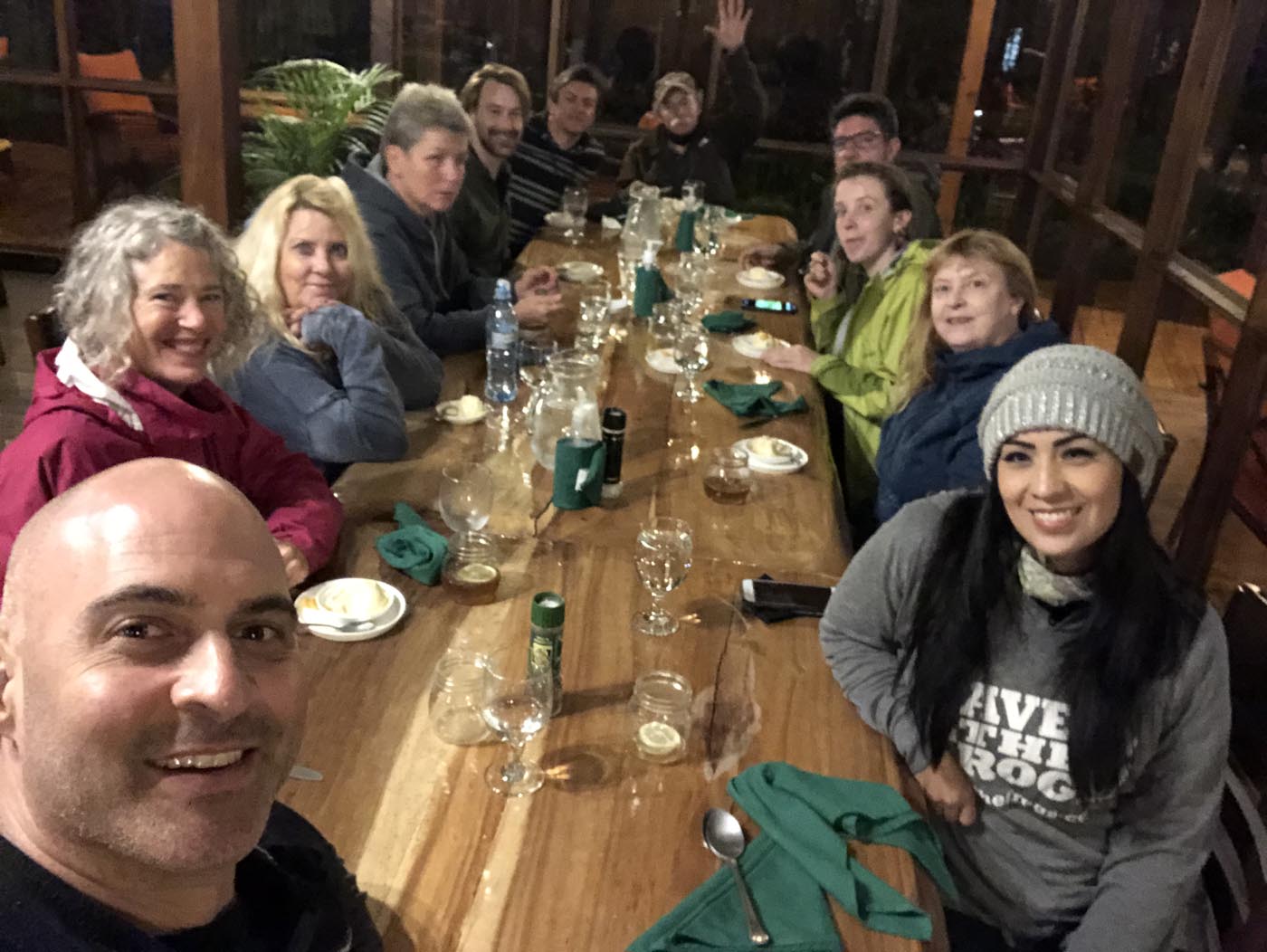
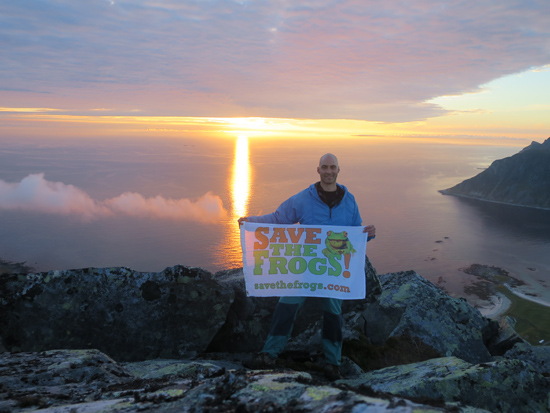
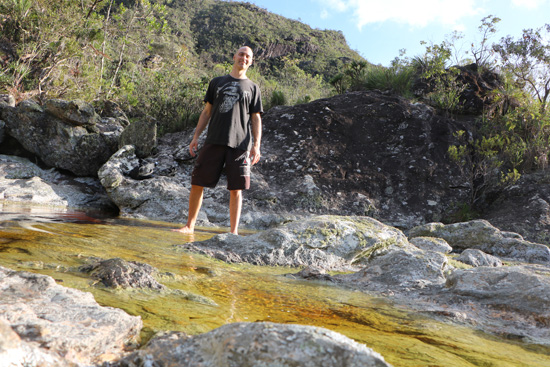
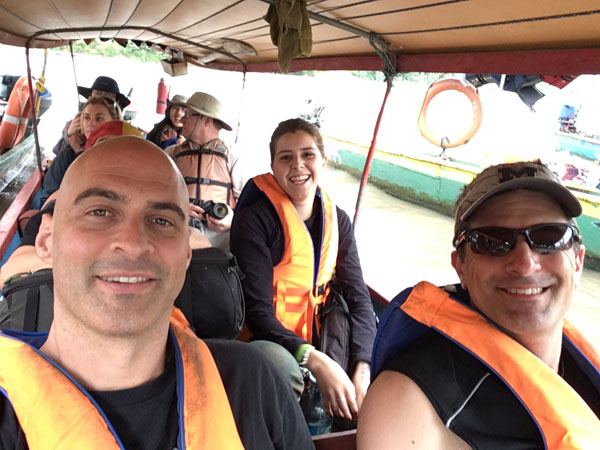
More From Dr. Kerry Kriger
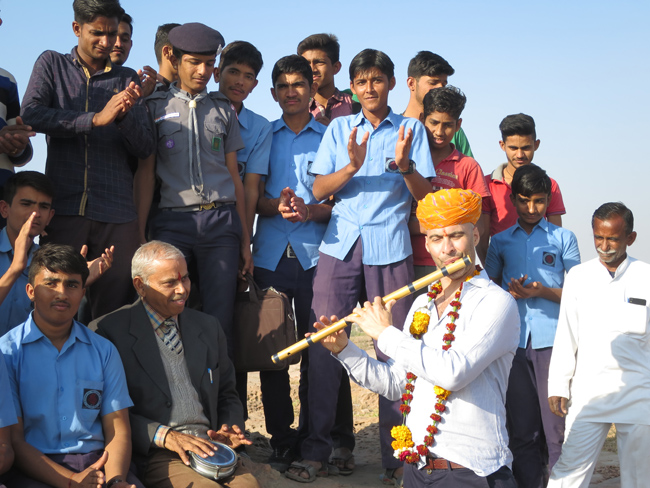
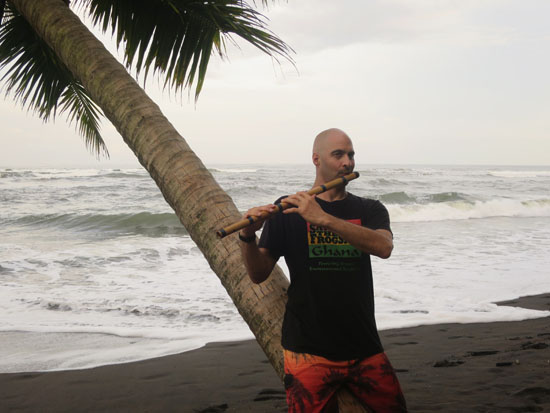
When Dr. Kriger is not saving frogs, he can often be found teaching bansuri (bamboo flute from northern India), building websites and consulting for nonprofit organizations.

2017

2020

2021
Let’s Stay in Touch!
I’m on most of the major social media channels @kerrykriger






“SAVE THE FROGS! and Kerry Kriger deserve nothing but respect and appreciation for working to make our planet a better place for all; amphibians and mankind alike. Kerry, you do great things for this planet and especially amphibians. To be one little person and to make an impact, is more than most of us can ever dream to do. Good for you, and keep saving those frogs!”

“Hello Kerry, greetings from Frankfurt, Germany. I am a biologist and I heard your wonderful talk about frogs during one of the Wednesday ESRAG meetings..I am still very impressed. I told my husband about it, he teaches at the University of Frankfurt. This winter semester he does a seminar on the topic: Is a new/different relationship to nature possible? We would like to invite you to do a talk on your project and a discussion with the students online (80-100 will be online). Please let me know, if you are interested…”

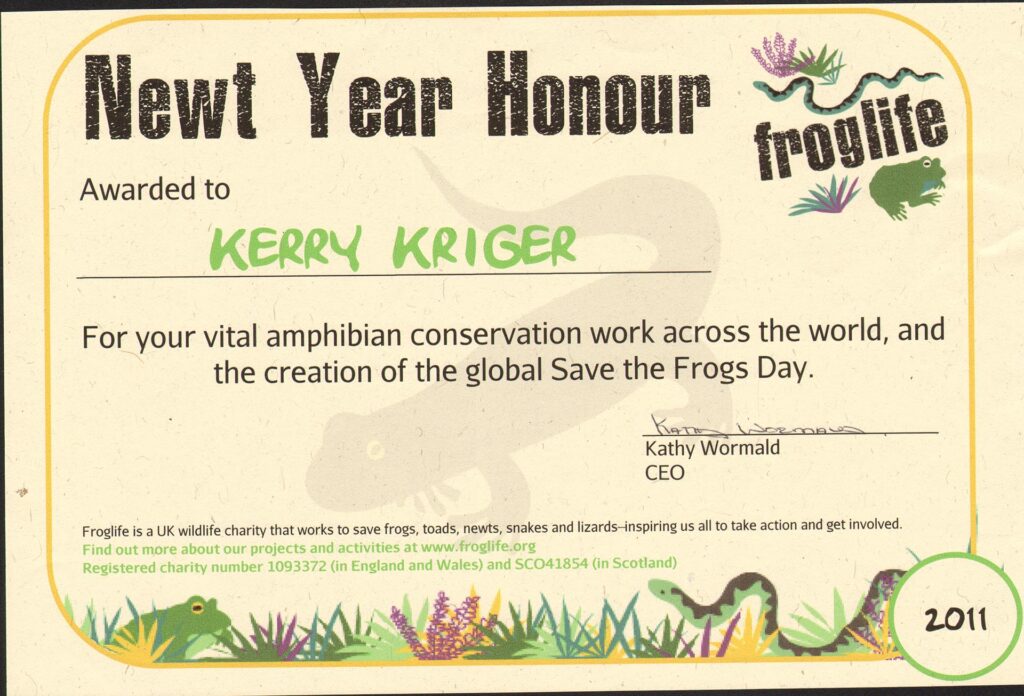
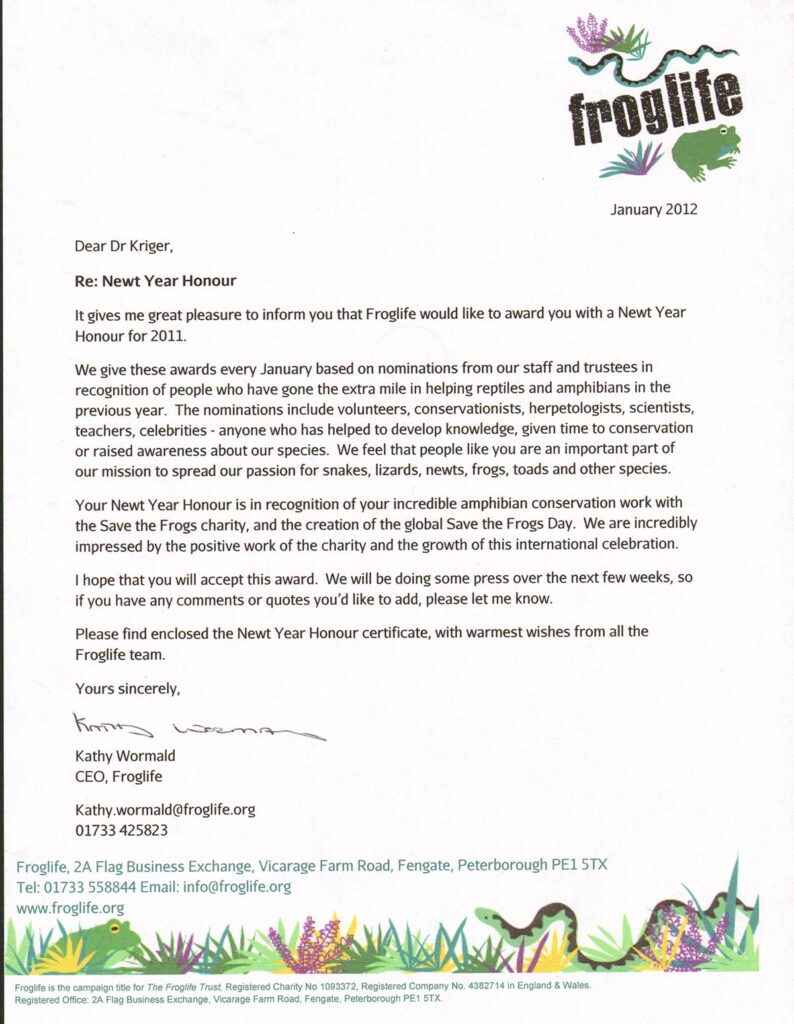
Recipient Of Froglife’s Newt Year Honour (2011)
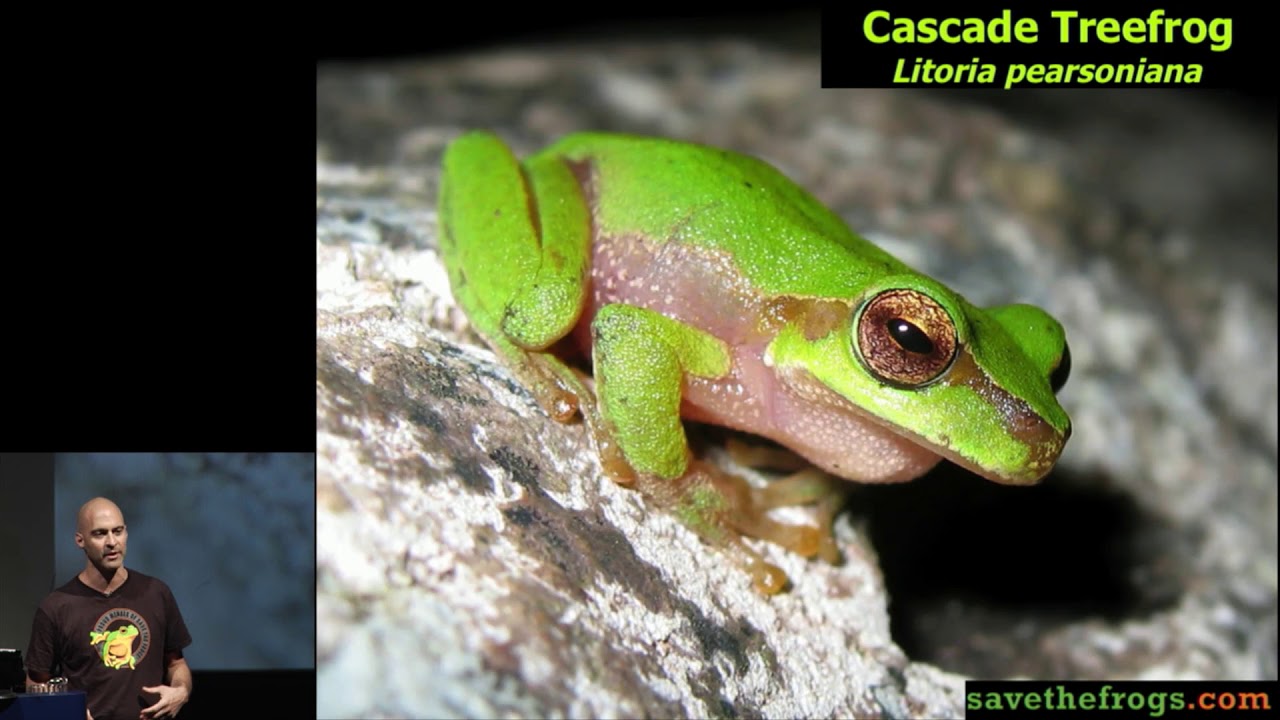
Dr. Kriger’s Presentation at The Aquarium of The Pacific
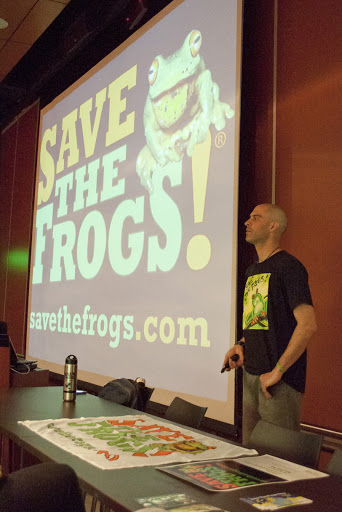
Enjoy this presentation by SAVE THE FROGS! Founder Dr. Kerry Kriger, who discusses amphibian conservation, provides an introduction to the natural history of amphibians, the threats they face, why amphibians are important and worth saving, and ways SAVE THE FROGS! protects amphibians and empowers citizens to make contributions to the betterment of the planet. Recorded live at The Aquarium of The Pacific on August 29, 2017.
“Kerry, I truly do think you’re making an actual difference & have a huge conservation impact & am impressed you’ve dedicated your life to it. You’re the frog version of Steve Irwin, so props!!“
– Ronni Trankel, Southern California
More Articles You May Enjoy
Here are articles written by Dr. Kerry Kriger and interviews with him that are found on various websites.
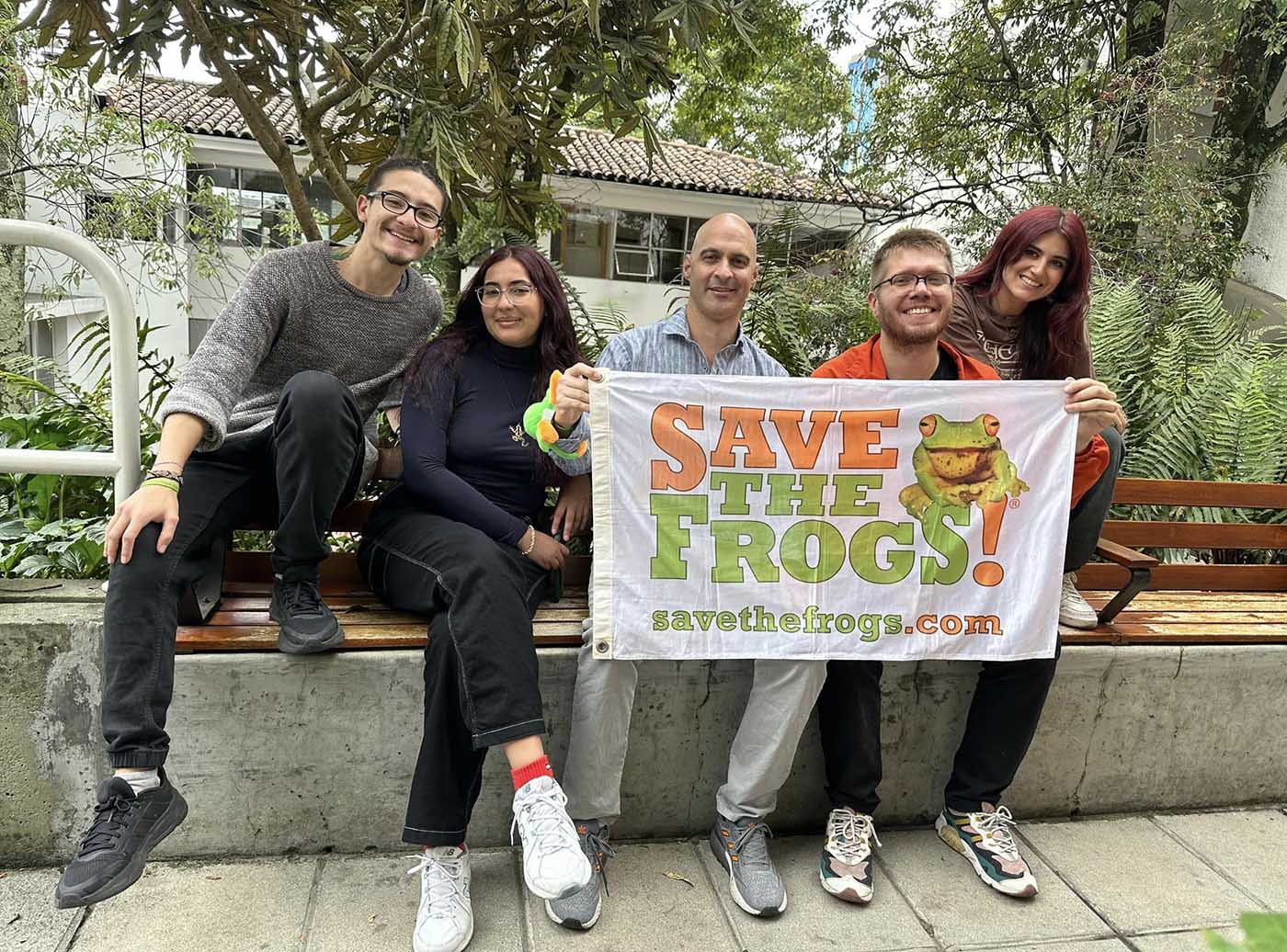
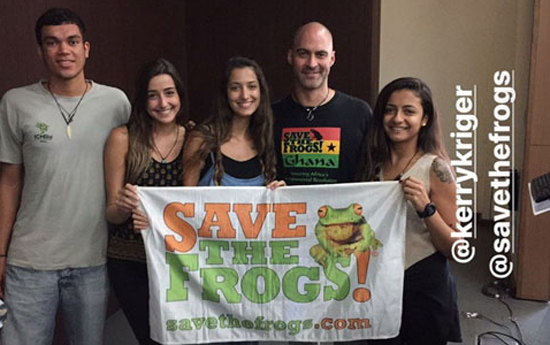
Dr. Kerry Kriger in Bogota April 26th, 2024 with students of the Semillero Herpetológico UniAndes (SHUA)